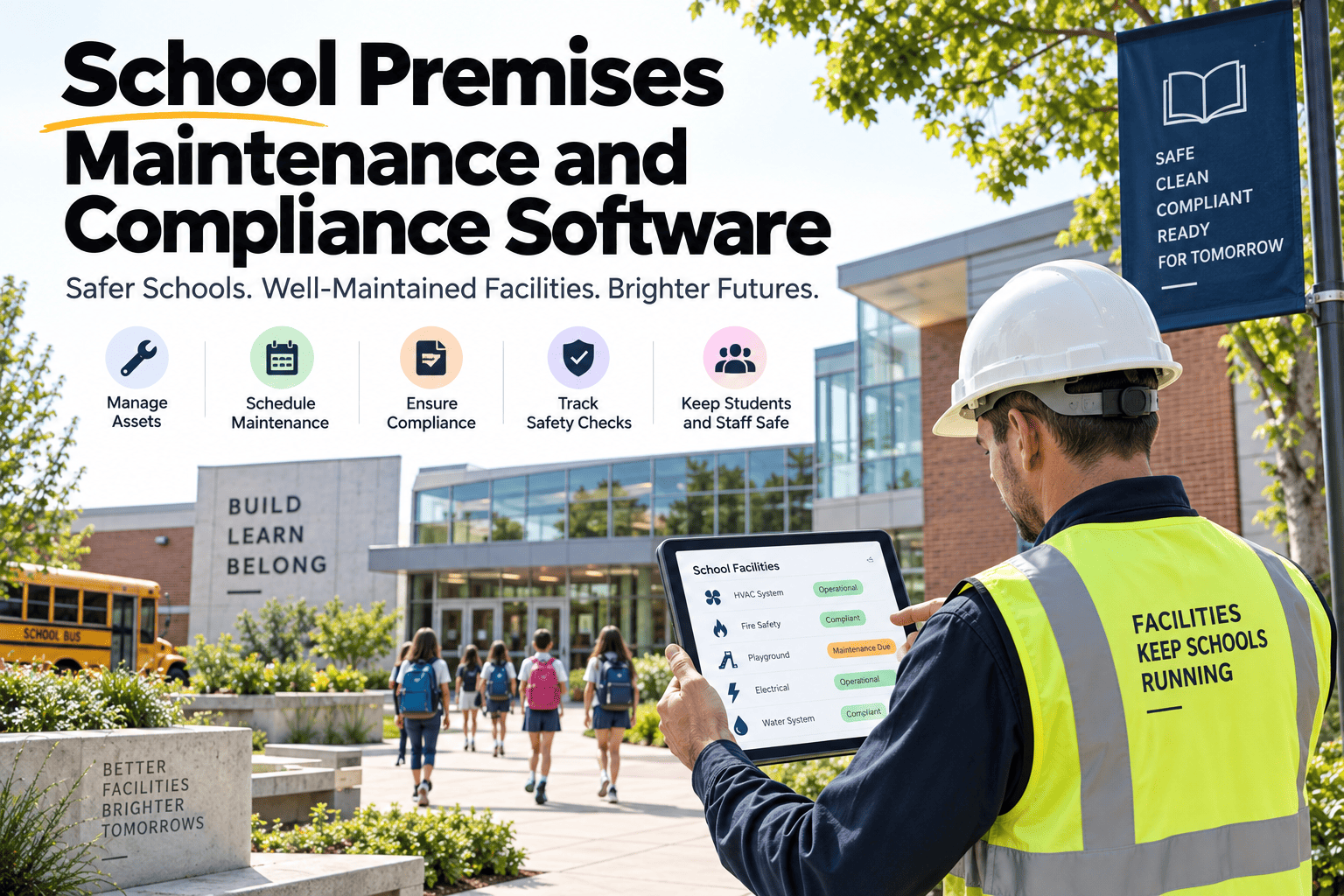
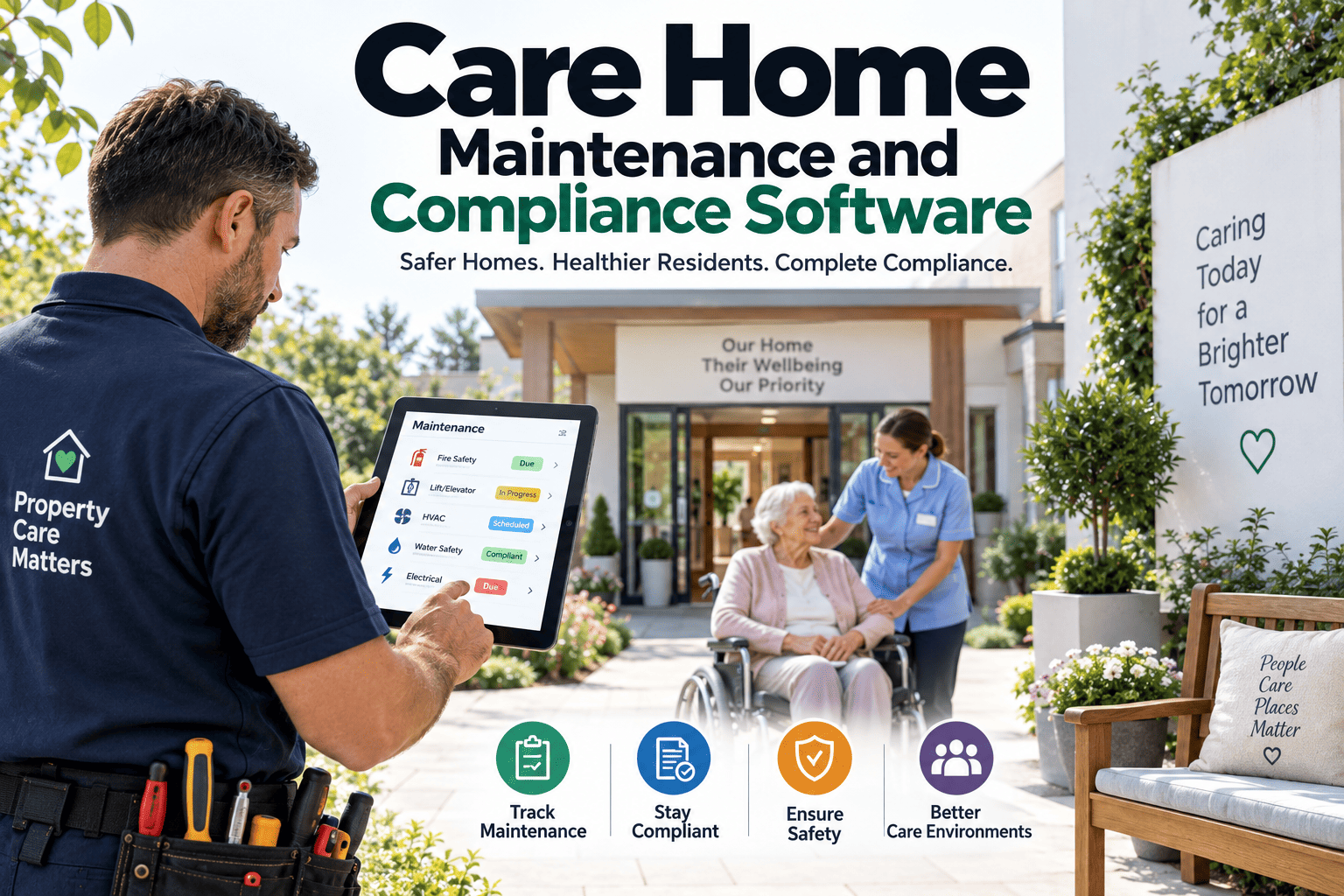
A school boiler, a depot roller shutter, a housing office fire door and a leisure centre pool plant all sit on the same council estate register — but they rarely sit in the same maintenance plan. Most local authorities are managing a wildly mixed portfolio with spreadsheets, paper folders and a handful of legacy systems that don't talk to each other. Nationally, public sector maintenance backlogs have reached at least £49 billion, and deferring a repair for just two to four years can push its eventual cost up by more than 50%. Start a free trial to see how Oxmaint brings every council asset onto one connected maintenance record.
£49bn
Estimated public sector maintenance backlog across schools, depots and civic buildings, per the National Audit Office
£18.62bn
Backlog of local road and carriageway repairs across England and Wales, which would take 12 years to clear
50%+
Cost increase on a deferred repair left unaddressed for two to four years, per Cabinet Office estimates
4+
Distinct estate types most councils manage together — schools, depots, offices and public buildings
One Register, Four Very Different Buildings
A council estate isn't one type of building repeated many times. A school has fire doors, kitchen extraction and playground equipment. A depot has vehicle lifts, fuel storage and yard lighting. A civic office has lifts and HVAC. A leisure centre has pool plant and legionella-critical water systems. Each carries its own statutory obligation, and a single maintenance spreadsheet was never built to track all four properly.
The Compliance Load Councils Carry Every Day
Four statutory checks sit at the centre of almost every council building, regardless of its use. Missing any one of them isn't just a maintenance gap — it's a compliance and safety exposure.
Fire Safety
Fire doors, alarms and extinguishers need documented, recurring checks across every building on the register.
Water Hygiene
Legionella risk assessments and water temperature checks are critical wherever pools, showers or tanks exist.
Electrical (EICR)
Fixed wiring inspections across schools, depots and offices need clear renewal dates, not memory.
Asbestos Registers
Older council buildings need up-to-date asbestos records tied to the specific room or asset, not a filing cabinet.
Where Most Local Authority Estate Teams Get Stuck
01
The Asset Register Lives in Several Places at Once
Schools, depots and offices often keep separate lists
A shared services team responsible for forty buildings often inherits four or five different tracking methods, one per site or department. Nobody at the centre can say with confidence how many assets are actually overdue for a statutory check this month.
02
Reactive Repairs Eat the Capital Budget
Planned works get pushed back to fund emergencies
When routine servicing gets deferred to cover in-year pressures, small faults become expensive emergencies. That cycle is exactly why national backlogs keep growing year after year rather than shrinking, even as budgets are spent.
03
Audit Trails Are Reconstructed, Not Recorded
Evidence gets pulled together after the fact
When an internal audit or FOI request asks for proof that a fire door was inspected last quarter, teams often spend days searching emails and paper sign-off sheets instead of pulling one record in minutes.
04
Field Teams Aren't Connected to the Office
A caretaker's update takes days to reach the register
Caretakers, site managers and depot staff often report faults verbally or by phone. By the time it reaches the central estate team and gets logged, days have passed and the fault has usually got worse.
One Register for Every Building on Your Estate
Oxmaint brings schools, depots, offices and public buildings onto a single asset register with automatic compliance scheduling. Sign up to trial it on your estate, or book a demo to see it configured around your council's building types.
Common Problem vs. Best Practice Fix
| Common Problem |
Why It Happens |
Best Practice Fix |
| No single view of every asset across the estate |
Each site or department keeps its own list or spreadsheet |
One shared, centrally managed asset register for the whole estate |
| Statutory checks missed or done late |
Renewal dates tracked manually across separate calendars |
Automatic reminders tied to each asset's compliance schedule |
| Audit and FOI requests take days to answer |
Evidence is scattered across emails and paper files |
Every check logged against the asset, exportable in minutes |
| Field reports reach the office too late to act on |
Caretakers and site staff report faults by phone or note |
Mobile logging that updates the register the moment it's raised |
What Good Council Asset Management Looks Like
Practice 01
A Single Estate-Wide Asset Register
Every school, depot, office and public building sits on one register, with its own asset list, service history and compliance dates in one place.
Practice 02
Automated Statutory Compliance Scheduling
Fire, water hygiene, electrical and asbestos checks are scheduled automatically against each asset, so nothing depends on someone remembering a renewal date.
Practice 03
Mobile-Enabled Site and Depot Teams
Caretakers and field staff log faults and complete work orders from a phone, so the central register reflects reality the same day, not the same month.
Practice 04
Audit-Ready Reporting on Demand
Compliance evidence and spend history are exportable in a few clicks, ready for internal audit, councillor questions or an FOI request.
How Oxmaint Supports Local Authorities
Oxmaint gives local authorities one register for schools, depots, offices and public buildings, with automatic scheduling for fire, water hygiene, electrical and asbestos checks. Field teams log and close work from a mobile device, and every action is recorded for instant audit reporting. Book a demo to see it mapped against your council's own building types and compliance calendar.
Frequently Asked Questions
Q
Why is council asset maintenance harder than in a single-site organisation?
A council estate spans very different building types under one roof of responsibility — schools, depots, offices, leisure centres and housing stock — each with its own equipment, statutory checks and usage pattern. Managing that mix on separate spreadsheets or site-by-site systems makes it almost impossible to see the full picture at any one time.
Q
What compliance records do councils most often struggle to produce quickly?
Fire door inspection sign-offs, legionella risk assessments and electrical test certificates are the records most often requested during audits or FOI enquiries, and the ones most likely to be scattered across paper files, emails and individual site folders rather than kept in one place.
Q
Does moving from spreadsheets to a maintenance platform disrupt existing site teams?
The transition works best in stages, starting with the highest-risk building types such as schools or leisure centres before extending to depots and offices. Most site staff only need a simple mobile view to log and close tasks, so day-to-day disruption is minimal once the register is set up.
Q
Where should a council start if its estate maintenance is largely reactive today?
Start by building one accurate asset register across all building types before layering on scheduling and reporting. Without an accurate register as the foundation, compliance scheduling and repeat-fault tracking have nothing reliable to run on.
Bring Every Building on Your Estate Onto One Register
Oxmaint gives local authorities a single, mobile-ready platform for schools, depots, offices and public buildings, with automatic compliance scheduling and audit-ready reporting built in. Sign up for a free trial to explore it yourself, or book a demo and we'll walk through it against your own estate.