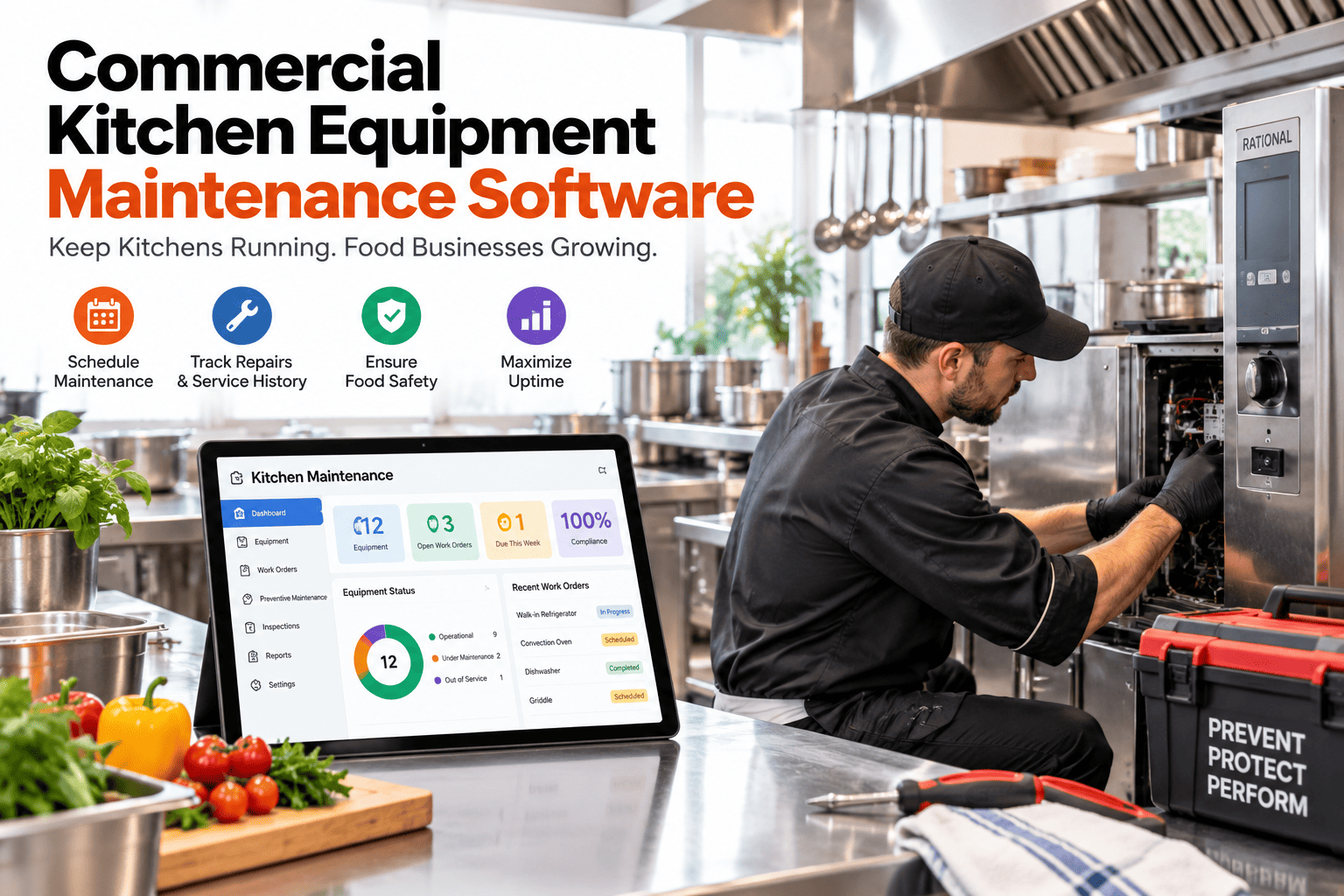
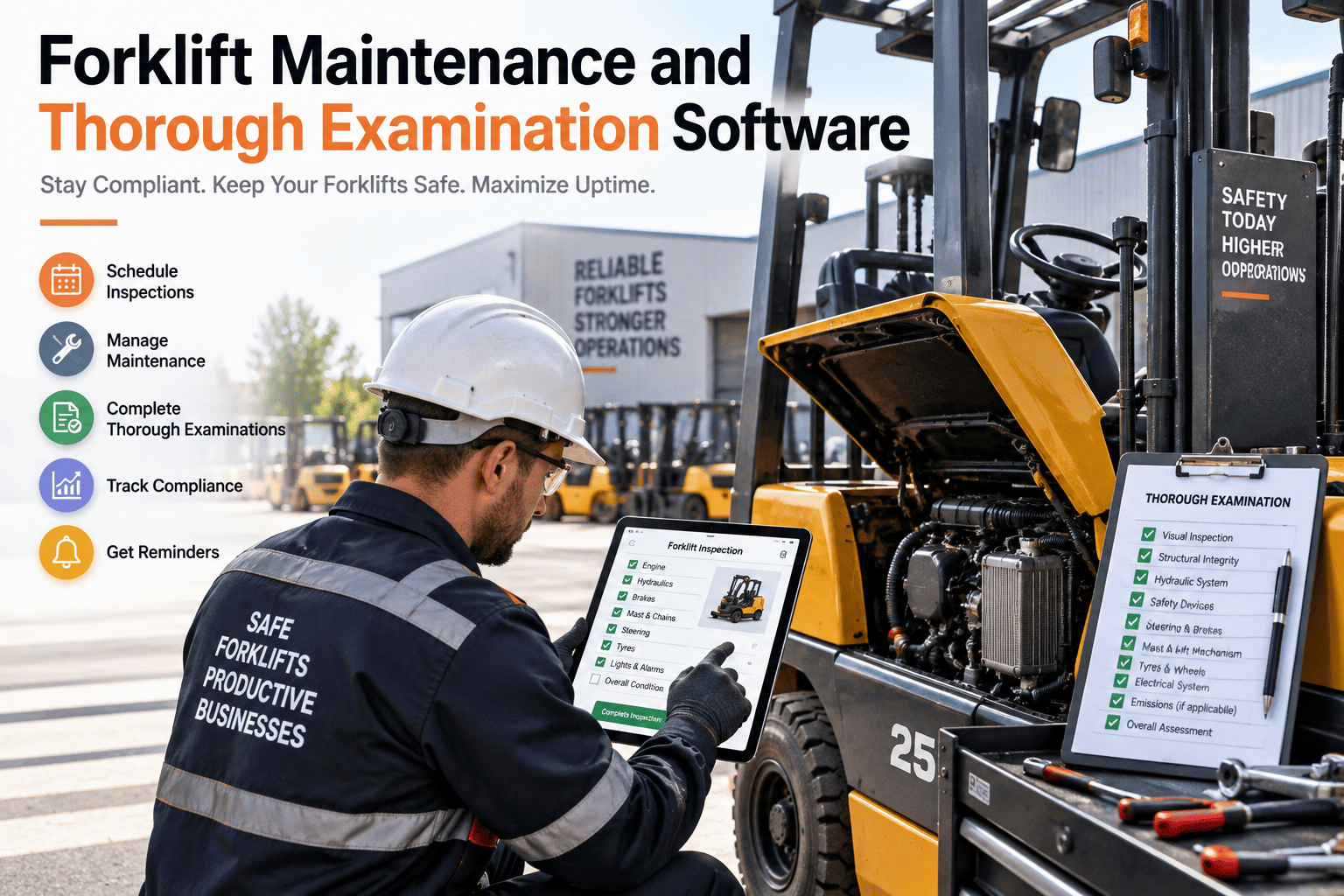
A technician standing next to a jammed conveyor doesn't need a desktop login screen, he needs the asset history in his hand in under five seconds. That's the entire case for mobile CMMS: get the system to where the work actually happens, even in a dead zone with no signal. Sign up to see how Oxmaint runs on a rugged tablet, QR scan and all, with or without a connection.
2-3 Sec
Typical time to pull up full asset history from a single QR scan
30-40%
Less time spent per work order once paper logs move to mobile
100%
Of inspection data still captured in zones with no signal, synced once reconnected
60%+
More inspections completed on schedule after switching from paper checklists
Why a Desktop-Only CMMS Doesn't Work on a Steel Plant Floor
Most steel plant maintenance work happens nowhere near a desk, it happens beside a caster, inside a mill housing, or on a catwalk with no signal. A CMMS that only opens in a browser forces technicians to walk back to an office to log what they just found, and half of that detail is gone by the time they get there. Mobile CMMS closes that gap by putting the work order, the checklist, and the asset history directly in the technician's hand, right where the fault is.
What a QR Code on an Asset Actually Replaces
| Old Way |
Time It Takes |
With a QR Scan Instead |
| Searching an asset ID manually |
1-2 minutes typing and scrolling |
Scan the tag, asset record opens instantly |
| Pulling repair history from a binder |
A walk back to the maintenance office |
Full history loads on the same screen as the scan |
| Filling out a paper checklist |
Re-entered into the system later, if at all |
Digital checklist tied to the asset, saved on the spot |
| Calling a supervisor to confirm specs |
A wait on the radio or phone |
Manuals and spec sheets attached right to the asset |
One Scan, Full Asset History, Zero Signal Required
Oxmaint's mobile app works fully offline, so a technician deep in the mill floor can log a completed inspection, attach a photo, or close a work order without waiting for a signal bar. Sign up for a free trial to test it on your own tablet, or book a demo and we'll show you the offline sync in action.
Where Mobile CMMS Earns Its Keep on the Floor
| Feature |
Floor Scenario |
Why It Matters |
| Offline mode |
Working deep inside a mill housing or basement pit area |
No lost data, no waiting on a signal to log the job |
| Rugged tablet support |
Heat, dust, and vibration around the caster and rolling mill |
Hardware that survives the environment work actually happens in |
| Photo and voice capture |
Documenting a crack or leak that's hard to describe in text |
Faster, clearer records than a typed note after the fact |
| Digital inspections |
Daily rounds across dozens of checkpoints on a shift |
Nothing skipped, nothing lost, timestamped automatically |
Desktop-Only CMMS vs Mobile CMMS on the Floor
Desktop-Only CMMS
Technician jots notes on paper, enters them later at a terminal
Photos and details get lost or forgotten in the gap
Work orders sit open longer than the actual repair took
Mobile CMMS
Work order updated and closed right where the job happened
Photos, notes, and parts used logged in real time
Supervisors see status the moment it changes, not next shift
How Oxmaint Supports Mobile Maintenance Teams
Oxmaint's mobile app runs on rugged tablets and phones, works fully offline, and syncs automatically the moment a connection is available. QR codes on each asset pull up history, manuals, and open work orders in seconds, so technicians spend their time fixing equipment instead of hunting for information about it. Book a demo to see it running on the device your team already carries.
Frequently Asked Questions
Q
What happens to data logged while a tablet is completely offline?
It's stored locally on the device exactly as entered, timestamps included, and syncs automatically to the central system the moment the tablet reconnects to Wi-Fi or a network signal.
Q
Do we need to buy new rugged tablets or can we use existing devices?
Most mobile CMMS apps run on standard Android or iOS devices, rugged or not. Rugged hardware just adds durability against heat, dust, and drops, it's a recommendation for harsh areas rather than a requirement to get started.
Q
How much work does it take to set up QR codes across all our assets?
It's mostly a printing and tagging exercise once the asset list exists in the system. Most plants tag their critical and high-traffic assets first, then extend to the rest over the following weeks.
Q
Will supervisors see updates in real time, or only after a shift ends?
Once a device has any connection, updates appear on dashboards immediately. Even offline entries show up as soon as the device syncs, so there's no waiting for an end-of-shift paperwork handoff.
Put the Full Asset History in Every Technician's Pocket
Oxmaint gives steel plant teams QR code asset lookup, offline work orders, digital inspections, and real-time status updates on any rugged tablet or phone. Sign up for a free trial to test it on the floor, or book a demo and we'll walk through it against your own assets.
.png)