A wastewater permit violation rarely comes from a broken pipe. It comes from a sampling event that got skipped, a subcategory classification that was never updated after a unit changed its retirement date, or a zero-discharge system that quietly bypassed for a week while nobody logged it. Sign up to run your ELG compliance program — FGD wastewater, bottom ash transport, and combustion residual leachate — from one CMMS that keeps every sample, every system check, and every deadline audit-ready.
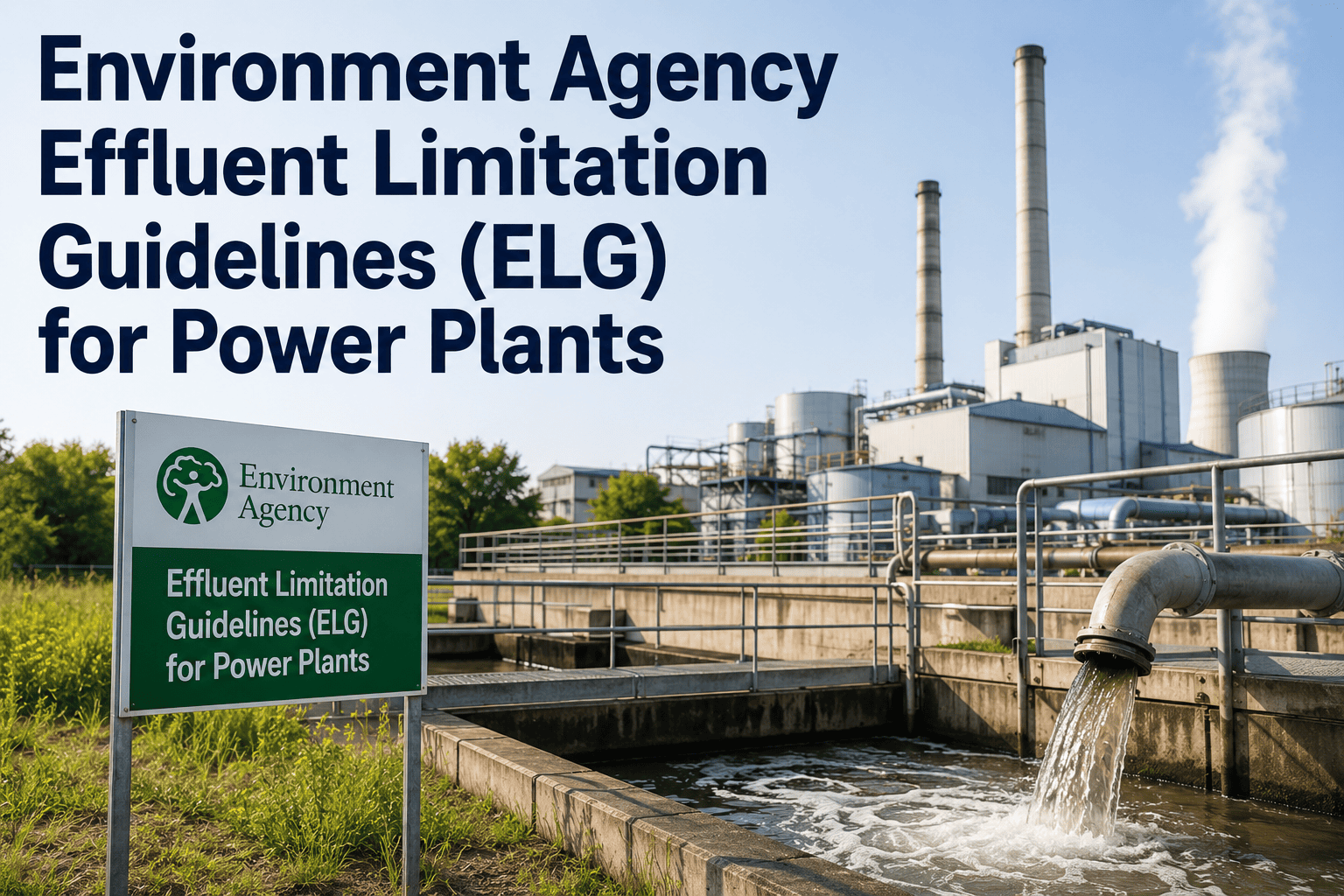
ELG exists because coal-fired power plants generate wastewater carrying heavy metals that don't break down once they reach a river or a groundwater table. A plant can run a zero-discharge system flawlessly for months and still face a permit violation if it can't produce the sampling records, system logs, and subcategory documentation proving it. The treatment technology does the environmental work. The maintenance and monitoring record is what turns that work into proof.
The Three Wastestreams ELG Is Built Around
Not every plant sits on the same compliance path. High-flow units, low-utilization units, and units committed to retiring by 2028 each fall into their own subcategory with its own requirements, and a unit that's reclassified after a retirement date changes needs its monitoring plan updated to match — something that's easy to miss when it's tracked in a spreadsheet nobody revisits until the audit.
Where ELG Programs Actually Break Down
Oxmaint tracks every FGD, bottom ash, and leachate sampling event and system check against its own ELG deadline, flags anything approaching its window, and keeps the evidence attached and searchable. Sign up for a free trial to run it on your own units, or book a demo to see it set up for your fleet.
Why ELG Deadlines Keep Moving
The 2024 rule set zero-discharge limits for FGD wastewater, bottom ash transport water, and combustion residual leachate, and it remains the standard most existing plants are building toward. But in May 2026, EPA extended the compliance deadlines tied to those limits and finalized a supplemental rule addressing "unmanaged" combustion residual leachate — leachate that reaches groundwater outside a permitted discharge system — refining exactly what counts and how it gets regulated. Deadlines that move between rulemakings are easy to lose track of when a plant is tracking three wastestreams across multiple units by hand. A program built around the underlying activity, not a single fixed date, keeps working no matter how many times the calendar shifts.
Wastestream Compliance Basis
Frequently Asked Questions
Oxmaint keeps FGD wastewater, bottom ash transport, and leachate monitoring tied to their unit, their deadline, and their evidence, all in one auditable log. Sign up for a free trial to run it on your own units, or book a demo to see it configured for your fleet.