Manufacturing environments face constant pressure to maintain rigorous safety standards while keeping production lines running at peak efficiency. When a chemical spill goes unreported for 20 minutes or a near-miss incident gets logged on paper and forgotten, you're not just risking compliance fines — you're risking lives. Modern EHS software for manufacturing facilities transforms scattered safety protocols into a unified digital command center where every hazard observation, environmental report, and compliance audit exists in real-time. The plants that prevent catastrophic incidents aren't the ones with more safety meetings — they're the ones with systems that capture, analyze, and act on safety data before minor risks become major disasters.
Manufacturing Safety · EHS Management · 2026
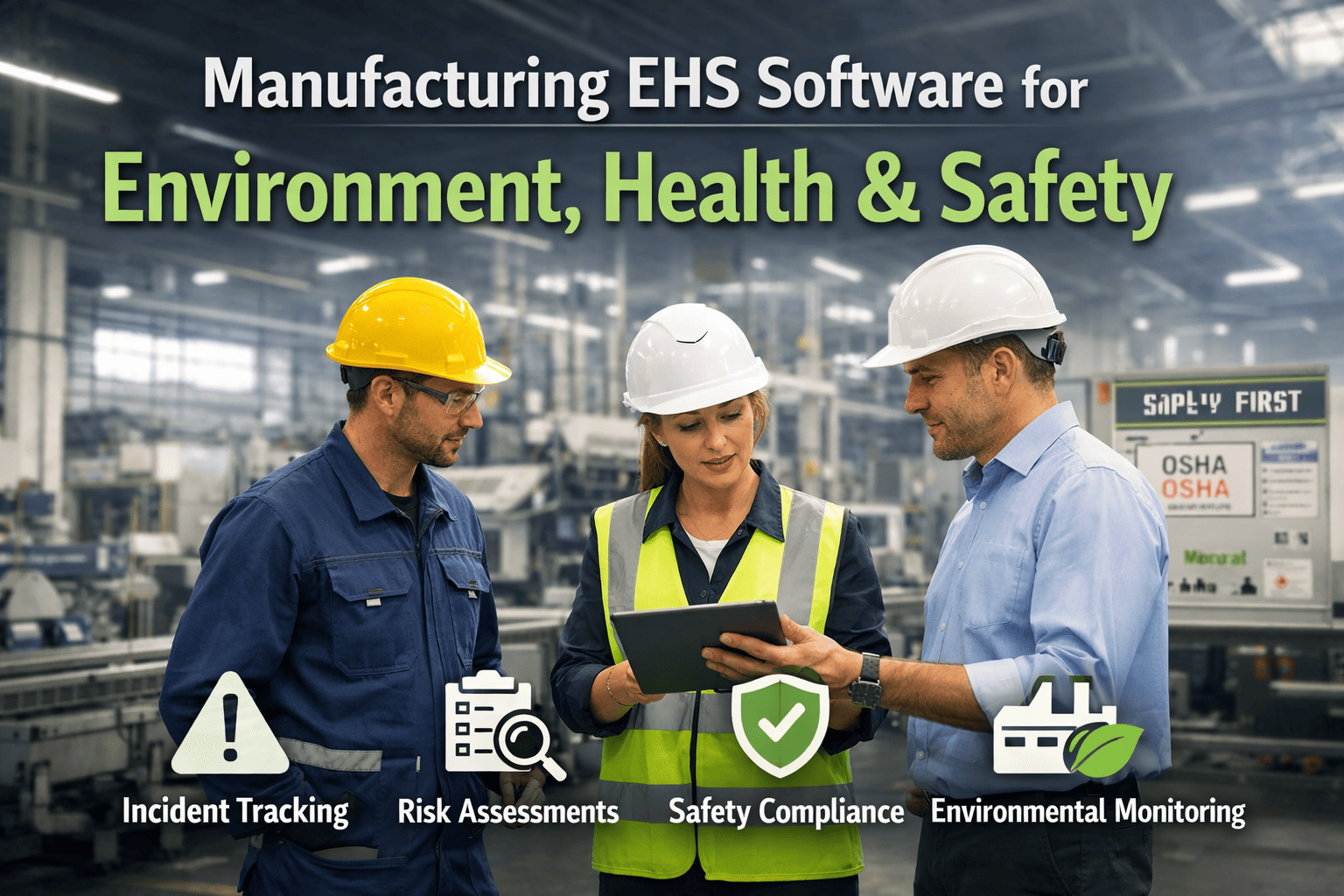
Manufacturing EHS Software for Environment, Health & Safety
Digital tools that centralize incident tracking, environmental monitoring, risk assessments, and compliance reporting — keeping your manufacturing plant safe, compliant, and audit-ready every single day.
73%
of manufacturing incidents are preventable with proper EHS tracking systems
$39K
average OSHA penalty per serious violation in manufacturing facilities
4.2x
faster incident response time with digital EHS platforms vs paper logs
68%
reduction in recordable incidents after implementing EHS software
Why Manufacturing Plants Need Dedicated EHS Software
Production floors operate with hazardous materials, heavy equipment, and tight schedules — creating an environment where safety risks compound quickly. Traditional paper-based safety systems can't keep pace with the speed and complexity of modern manufacturing operations.
Paper forms take hours to reach supervisors. By the time safety teams investigate, crucial evidence is lost and corrective actions are delayed.
Response Gap
OSHA requires specific recordkeeping formats. Scattered Excel files and filing cabinets make audit preparation a nightmare that takes weeks instead of hours.
Audit Risk
Air quality, waste streams, and emission levels need continuous tracking. Manual logs miss critical readings and fail to trigger timely alerts.
Regulatory Exposure
Different shifts use different risk evaluation methods. Without standardized digital assessments, hazards get rated inconsistently across the facility.
Safety Variability
Safety certifications expire without warning. Supervisors can't quickly verify which workers are current on hazmat or lockout-tagout training.
Competency Gap
Workers report close calls verbally. These critical early warnings disappear between shifts, preventing pattern analysis that could prevent actual injuries.
Prevention Failure
Core EHS Software Capabilities for Manufacturing
01
Digital Incident Reporting
Mobile-first incident capture with photo uploads, witness statements, and automatic supervisor notifications — turning 45-minute paper processes into 3-minute mobile submissions.
02
Real-Time Risk Assessments
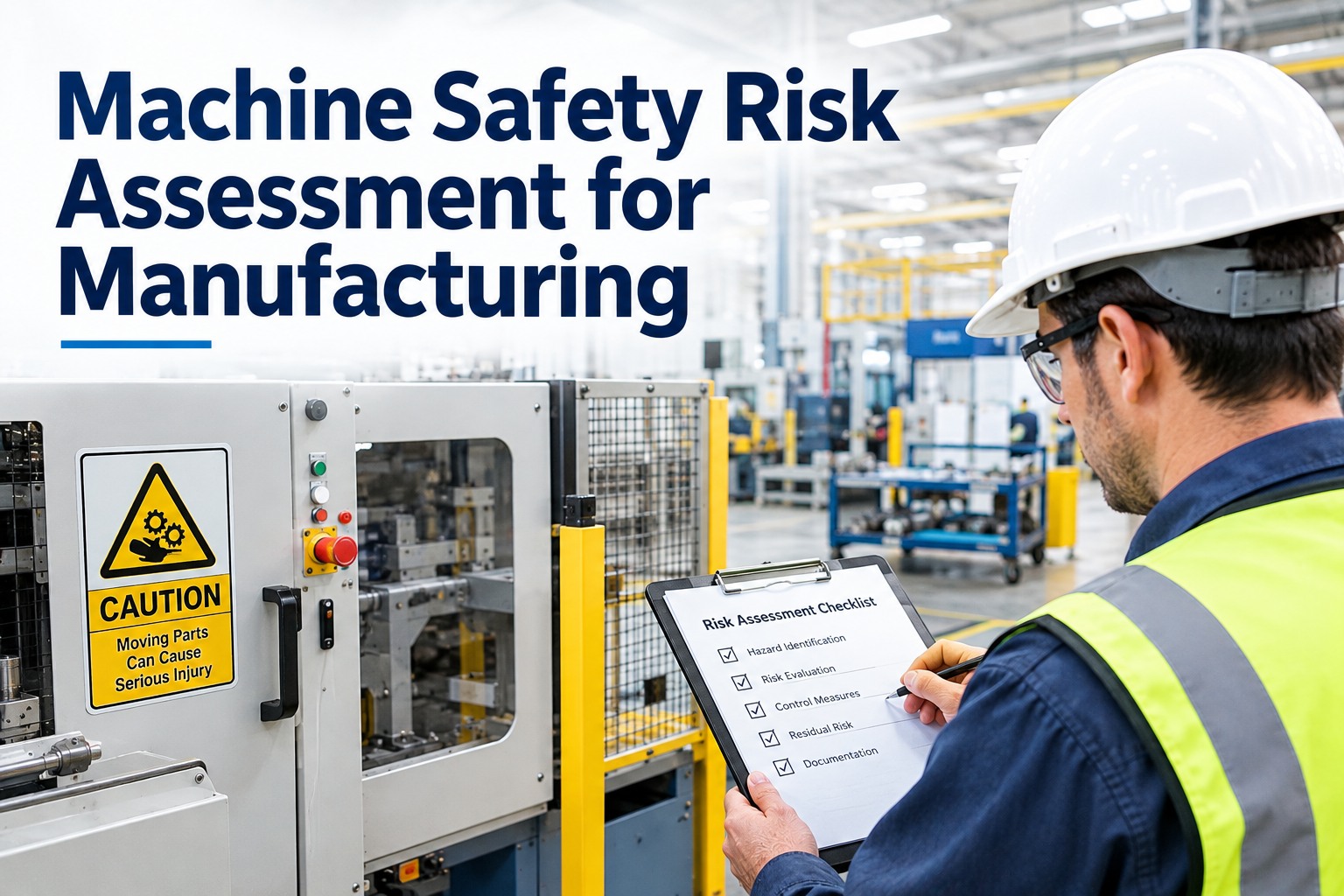
Standardized job hazard analysis tools with severity scoring, control measures tracking, and residual risk calculations — ensuring consistent safety evaluations across all departments.
03
Environmental Compliance Tracking
Automated monitoring of air emissions, wastewater discharge, hazardous waste storage, and energy consumption with threshold alerts and regulatory reporting exports.
04
OSHA Recordkeeping Automation
Auto-populated 300, 300A, and 301 forms with built-in validation rules — maintaining perfect compliance documentation without manual data entry or formula errors.
05
Safety Training Management
Certification tracking with expiration alerts, digital training attendance records, and competency verification workflows tied to job-specific safety requirements.
06
Corrective Action Tracking
Incident-to-resolution workflow with assigned owners, due dates, verification steps, and effectiveness reviews — closing the loop on every safety finding.
How EHS Software Transforms Manufacturing Safety
Moving from reactive incident management to proactive safety culture requires systematic digitization of every safety touchpoint in your facility.
Step 1
Centralize Incident Data
All incidents, near-misses, and hazard observations flow into one platform accessible to safety managers, supervisors, and compliance teams simultaneously.
Step 2
Standardize Risk Evaluation
Deploy consistent risk assessment templates across all work areas, ensuring hazards are evaluated using the same severity and likelihood criteria plant-wide.
Step 3
Automate Compliance Reporting
Schedule automated generation of OSHA logs, environmental reports, and safety metrics dashboards — eliminating manual compilation and reducing errors to zero.
Step 4
Track Leading Indicators
Monitor near-miss frequency, safety observation rates, and hazard closure times — catching problems before they become recordable incidents.
Paper Systems vs Digital EHS Platforms
Paper-Based Safety
Incident reports take 24-48 hours to reach management
Compliance documents stored in filing cabinets across multiple locations
Near-miss data exists only in shift supervisor notebooks
Environmental readings logged manually with frequent transcription errors
Safety training records tracked in Excel with no expiration alerts
Audit preparation requires 3-4 weeks of document gathering
Digital EHS Software
Incidents reported and escalated within 5 minutes via mobile app
All compliance records searchable and exportable from single dashboard
Near-miss trends analyzed automatically with predictive risk alerts
Environmental sensors sync directly to platform with threshold notifications
Training certifications tracked with 30-day expiration warnings sent automatically
Audit-ready reports generated on-demand in under 2 minutes
EHS Metrics Manufacturing Leaders Track Daily
| Metric Category |
Key Indicator |
Tracking Frequency |
Why It Matters |
| Incident Rate |
TRIR (Total Recordable Incident Rate) |
Monthly |
Primary OSHA benchmark for safety performance |
| Near-Miss Reporting |
Observations per 100 employees |
Weekly |
Leading indicator of safety culture engagement |
| Environmental Compliance |
Permit exceedance events |
Daily |
Prevents regulatory violations and fines |
| Training Compliance |
Percentage with current certifications |
Weekly |
Ensures workforce competency and legal compliance |
| Corrective Actions |
Average days to close findings |
Weekly |
Measures responsiveness to identified hazards |
| Safety Inspections |
Completion rate vs schedule |
Daily |
Validates proactive hazard identification efforts |
Measurable Outcomes After EHS Software Implementation
89%
faster incident investigation completion with digital evidence capture and workflow automation
100%
compliance documentation accuracy during surprise OSHA inspections with auto-generated logs
6.2x
increase in near-miss reporting rates when workers have mobile access to submit observations
Build a Safer Manufacturing Plant with Digital EHS Tools
Oxmaint centralizes incident tracking, compliance documentation, risk assessments, and environmental monitoring into one platform — giving you complete visibility into plant safety performance and audit-ready records at all times.
Frequently Asked Questions
What is EHS software and why do manufacturing plants need it?
EHS software digitizes environment, health, and safety management — replacing paper logs with mobile incident reporting, automated compliance tracking, and real-time risk assessments. Manufacturing facilities need it to prevent regulatory violations, reduce incident response times, and maintain audit-ready documentation without manual data entry.
How does EHS software help with OSHA compliance in manufacturing?
The platform auto-generates OSHA 300, 300A, and 301 forms from incident data, tracks required safety training certifications, schedules mandatory inspections, and maintains digital recordkeeping that survives audits.
Oxmaint ensures every compliance requirement is documented and accessible instantly.
Can EHS software track environmental monitoring for manufacturing facilities?
Yes — advanced EHS platforms integrate with environmental sensors to monitor air emissions, wastewater quality, energy consumption, and hazardous waste volumes. The system sends alerts when readings approach permit limits and generates regulatory reports required by EPA and state agencies.
What ROI can manufacturers expect from implementing EHS software?
Plants typically see 60-70% reduction in incident investigation time, 85% fewer compliance documentation errors, and significant decreases in insurance premiums due to improved safety records. Most facilities achieve full ROI within 8-12 months through avoided OSHA fines alone.
Schedule a demo to see plant-specific ROI projections.
Your Manufacturing Team Deserves Better Safety Tools
Join industrial facilities using Oxmaint to track incidents in real-time, maintain perfect compliance records, and build proactive safety cultures that prevent injuries before they happen. Start your free trial today — no credit card required.