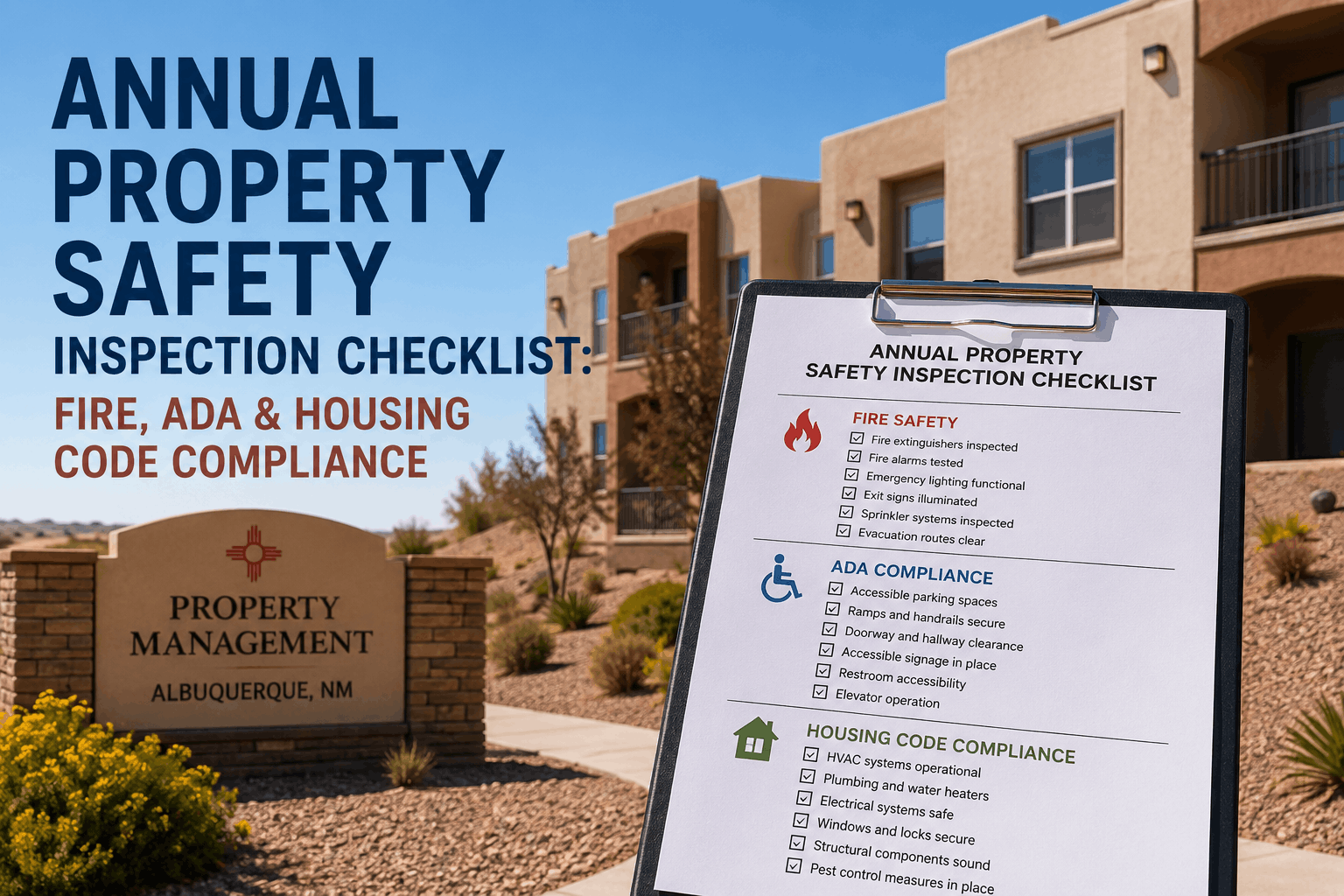
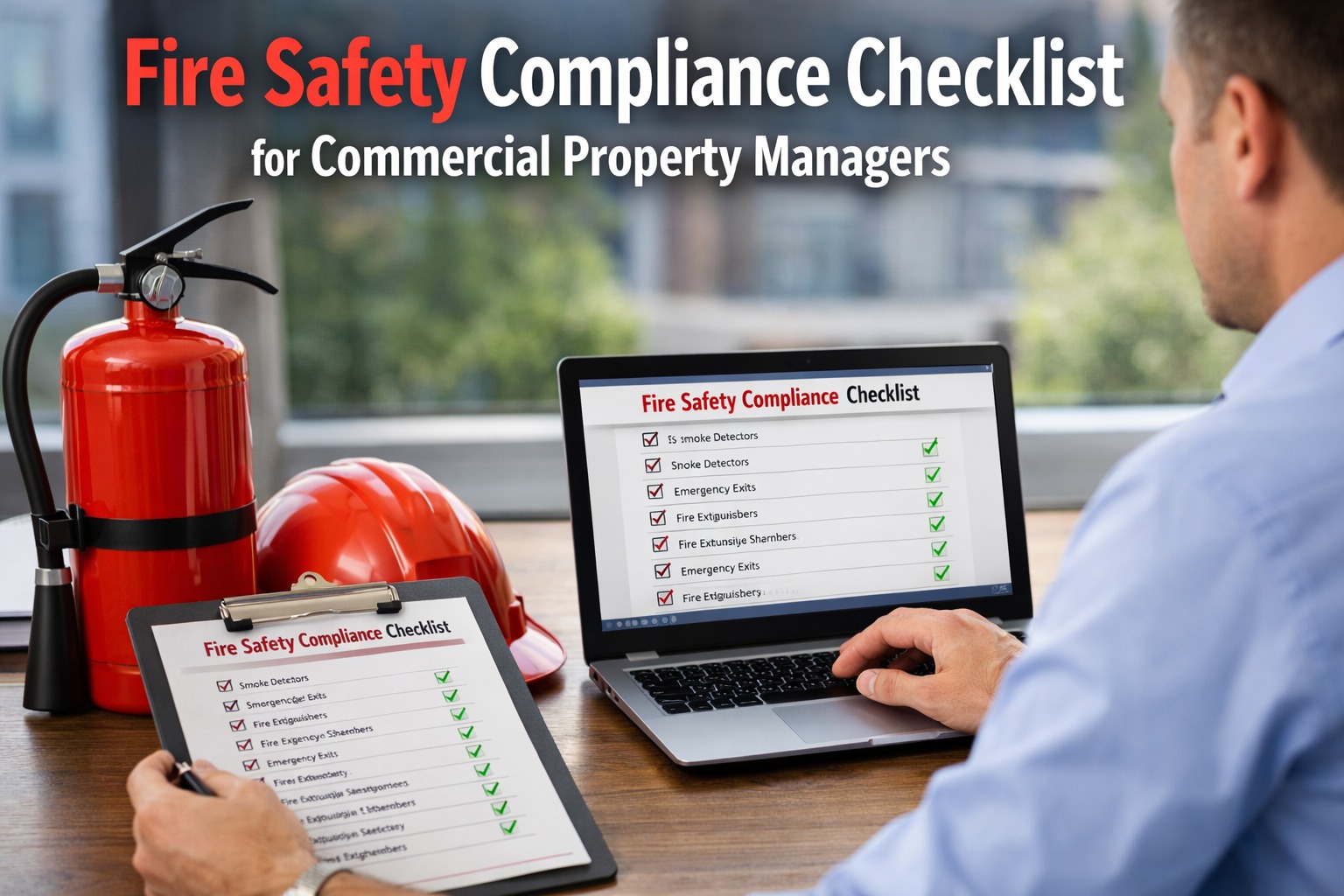
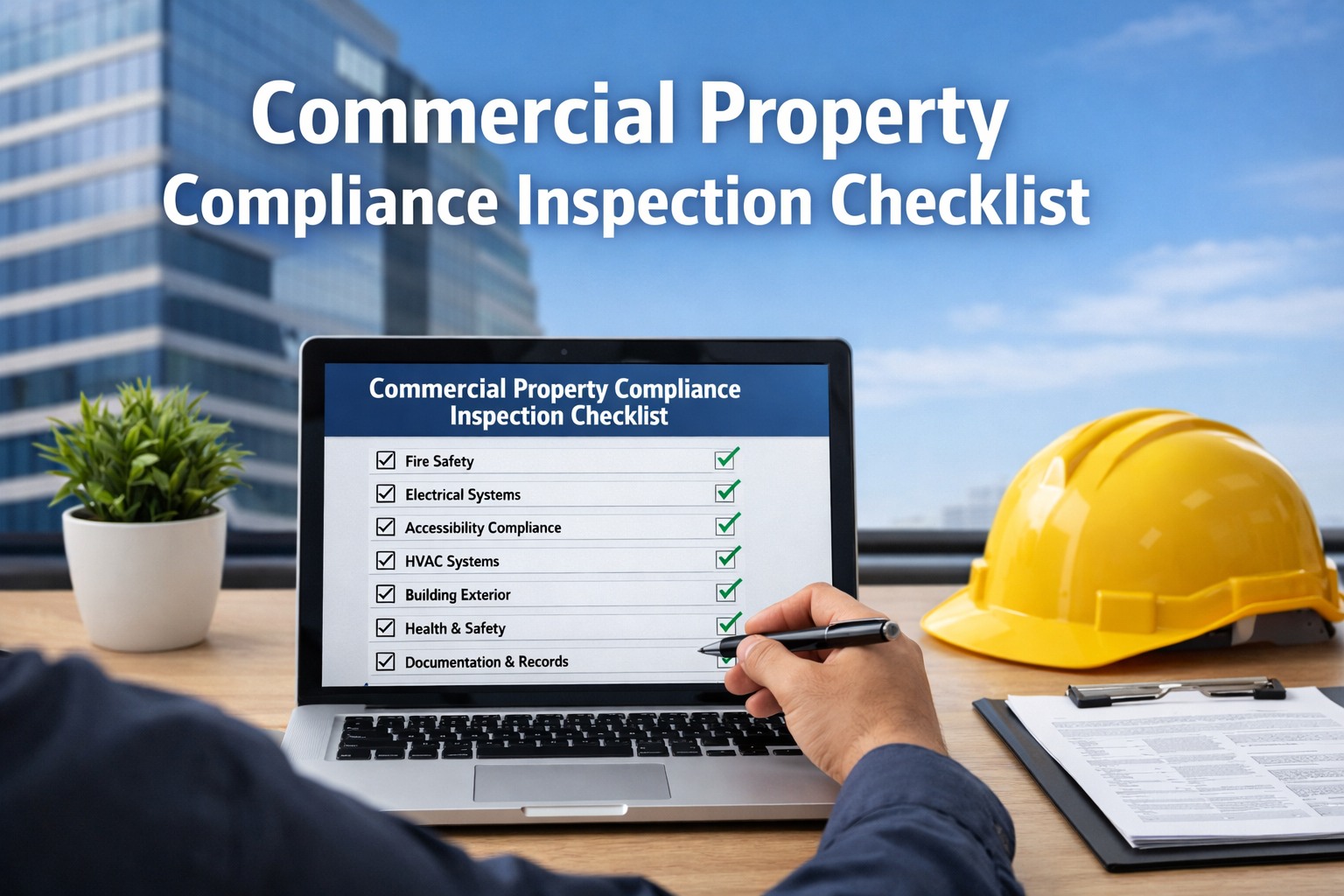
Property maintenance compliance audits inspect the most critical systems in commercial buildings — fire detection, life safety equipment, sprinkler systems, electrical panels, emergency lighting, elevator safety, boiler certifications, and hazardous material handling. A single fire safety violation citation costs an average of $15,625 according to NFPA enforcement data, and properties failing audits face 30-day correction windows, potential tenant evacuation orders, and insurance coverage disputes. Yet 43% of fire code violations stem from missed routine inspections that a basic checklist would have caught. Property managers often treat compliance documentation as a post-facto scramble — gathering records days before inspector arrival, discovering missing certifications, and requesting emergency contractor visits to complete deferred maintenance. Systematic compliance management reverses this chaos: work orders scheduled months in advance based on regulatory frequency requirements, documented completion automatically tracked in the CMMS, and audit-ready reports generated instantly when regulators request verification.
Compliance Audit Preparation · Fire Safety · Life Safety Inspection
Prepare for Compliance Audits Year-Round, Not Days Before
Automated compliance scheduling based on regulatory requirements, documented inspection completion with photo evidence, and instant audit-ready reporting — eliminating compliance scrambles and reducing violation risk from 43% to less than 5%.
$15,625
average fire code violation citation cost at commercial properties — penalty increases with repeat violations and severity, reaching $40,000+ for egregious safety failures (NFPA Enforcement Data, USA)
43%
of fire code violations stem from missed routine inspections that a systematic compliance checklist would have caught — preventable through automated scheduling and documented completion tracking
28%
of alarm system failures trace to skipped monthly functional tests — inspections scheduled and tracked systematically reduce failure rate to less than 2% through automated reminders and mandatory photo documentation
96%
of fires in sprinkler-protected buildings are contained when sprinklers are properly maintained — NFPA 25 compliance ensures quarterly visual inspections and annual flow testing, documented automatically via CMMS work orders
67%
of property managers cannot quickly produce compliance documentation during regulatory audits — fire system inspection reports, elevator certifications, pressure vessel testing, backflow preventer records, and emergency light testing are scattered across email, paper files, and contractor records. When regulators arrive with 24-hour notice, property managers spend 12+ hours scrambling to locate and compile documentation. Systematic CMMS-based compliance tracking stores all inspection records, test results, and contractor certifications in a unified cloud database searchable by equipment, inspection date, and regulatory requirement — enabling instant document export during audits without disrupting operations.
Key Regulatory Systems Requiring Compliance Documentation
Fire Alarm Systems — NFPA 72 Monthly Testing
Fire alarm systems require monthly functional tests including pull station activation, notification appliance verification, and control panel diagnostics. 28% of alarm failures trace to skipped monthly tests. CMMS automation schedules monthly tests, logs photo evidence of completion, and flags overdue tests with 7-day advance warnings preventing missed inspections.
Sprinkler Systems — NFPA 25 Quarterly and Annual Testing
Sprinkler systems require quarterly visual inspections, annual flow tests, and 5-year internal pipe inspections. NFPA 25 compliance is mandatory for insurance coverage and life safety certification. CMMS schedules all required inspections, tracks test results, and documents completion with automatic coordination of licensed fire protection contractors.
Fire Extinguishers — OSHA 1910.157 Annual Certification
Fire extinguishers must be inspected monthly (visual check) and serviced annually by certified technicians. Expired or improperly maintained extinguishers are a critical violation. CMMS tracks location, inspection date, and annual service certification for every extinguisher — automatic location-based work orders trigger when certifications approach expiration.
Emergency Lighting and Exit Signs — Annual Testing
Emergency lighting and exit signs must be tested annually to ensure functionality in power loss scenarios. Single failed exit light is a violation; multiple failures trigger severe penalties. CMMS schedules annual testing per zone, documents test results, and identifies failed units requiring immediate replacement.
Elevator Inspections — Annual Third-Party Certification
Elevators require annual safety inspections by licensed third-party inspectors with documented certification. Expired elevator certifications force unit shut-down and tenant evacuation risk. CMMS tracks certification expiration dates across all elevators and schedules inspection 30 days in advance to prevent lapses.
Boiler and Pressure Vessel Inspections — Regulatory Requirement
Boilers and pressure vessels require state-mandated inspections and certifications. Inspection frequency depends on vessel type and age — ranging from annual to triennial. CMMS maintains inspection history and automatically schedules next required inspection preventing certification lapses and operational shut-downs.
Compliance Audit Preparation Workflow — From Regulatory Requirement to Audit-Ready Documentation
Step 1 · Schedule
Compliance Work Orders Automated
CMMS automatically schedules recurring work orders based on regulatory requirements — fire alarm monthly, sprinklers quarterly, extinguishers annually — with licensed contractor assignment and tenant notification
→
Step 2 · Execute
Inspection Completed & Documented
Contractor completes inspection, uploads test results and photos directly to CMMS work order, and provides signed certification — automatic backup to cloud with complete audit trail
→
Step 3 · Report
Instant Audit-Ready Documentation Export
When regulator requests compliance documentation, property manager exports complete inspection history, test results, and certifications instantly from CMMS — no scrambling, no missing records
Property Maintenance Compliance
Stop Scrambling for Compliance Documents Days Before Audits.
Automated compliance scheduling based on regulatory requirements, documented inspection completion with photo evidence, and instant audit-ready reporting — protecting your property from costly violations.
Compliance Management Best Practices That Prevent Violations
Compliance Calendar Based on Regulatory Frequency Requirements
Build property-specific compliance calendar documenting every regulatory requirement — fire alarm monthly, sprinklers quarterly, extinguishers annually, elevators annually, boilers per state mandate. CMMS generates recurring work orders automatically on schedule with contractor assignment and advance notice to prevent missed inspections.
Inspection Completion Documentation With Photo Evidence
Contractors upload inspection results, test data, and photos directly to the CMMS work order during or immediately after inspection — eliminating the gap where documentation is lost or delayed. Automatic cloud backup ensures no inspection records disappear due to device failure or contractor computer issues.
Certification Expiration Tracking and 30-Day Advance Alerts
CMMS tracks certification expiration dates for all regulated systems and generates 30-day advance alerts when renewals are due. Advance notice enables scheduling inspection before certificate expires, preventing emergency shut-downs, tenant evacuations, and compliance gaps.
Licensed Contractor Coordination and Credential Verification
CMMS maintains vendor directory of licensed contractors with specialty certifications — fire protection certified, elevator inspectors, boiler inspectors. Contractor licensing and insurance verification is tracked and updated automatically, ensuring compliance work is always performed by qualified professionals.
Instant Audit-Ready Report Generation and Export
When regulators request compliance documentation, property managers generate instant audit-ready reports showing complete inspection history, test results, and certifications — searchable by system type, inspection date, or regulatory requirement. Reports are automatically formatted for regulator review without manual compilation.
Violation Tracking and Corrective Action Documentation
When inspections identify violations or defects, CMMS creates work orders for corrections with documented deadline tracking. Corrective actions are photographed and verified, creating audit trail showing immediate remediation and preventing repeat violations that incur increased penalties.
$15.6K
average fire code violation citation cost — preventable with systematic compliance checking and documented inspection completion
43%
of fire violations stem from missed routine inspections — eliminated with automated scheduling based on regulatory requirements
12+ hrs
reduced scramble time during compliance audits when using CMMS-based documentation — instant report export versus manual record compilation
One missed fire safety inspection costs $15,625 in violation penalties. Systematic compliance prevents them all.
Automated compliance scheduling based on regulatory requirements, documented inspection completion with photo evidence, and instant audit-ready reporting — protecting your property and eliminating compliance scrambles.
Property Compliance Audit Preparation — With CMMS vs Without
Manual Compliance Management
Inspection schedulingEmail reminders, easy to miss
Compliance documentationScattered across email, paper
Certification trackingManual spreadsheet, errors
Audit prep time12+ hours scrambling records
Violation risk rate43% audit failure rate industry avg
Corrective action trackingNo audit trail, repeat violations
CMMS Automated Compliance
Inspection schedulingAuto-scheduled, 30-day alerts
Compliance documentationCloud database, searchable
Certification trackingAutomated expiration alerts
Audit prep timeInstant report export
Violation risk rateLess than 5% failure rate
Corrective action trackingPhoto-documented audit trail
Frequently Asked Questions — Property Maintenance Compliance Audits
How often must fire alarm systems be inspected to comply with NFPA 72?
NFPA 72 requires monthly functional tests of pull stations, notification appliances, and control panel diagnostics. 28% of alarm failures trace to skipped monthly tests — CMMS automation prevents missed inspections with automatic scheduling and completion tracking.
What is the frequency requirement for sprinkler system inspections under NFPA 25?
NFPA 25 requires quarterly visual inspections of sprinkler systems, annual flow tests, and 5-year internal pipe inspections. Sprinklers prevent 96% of fire spread when properly maintained — CMMS schedules all required testing and tracks certifications automatically.
What happens if fire extinguisher certifications expire without renewal?
Expired fire extinguisher certifications are a critical compliance violation with significant fines. CMMS tracks certification expiration dates and generates 30-day advance alerts, enabling renewal scheduling before expiration and preventing compliance gaps.
How quickly can property managers produce compliance documentation during regulatory audits?
With CMMS-based compliance tracking, property managers generate instant audit-ready reports showing complete inspection history, test results, and certifications — eliminating the 12+ hour scramble of manual record compilation required by properties without systematic documentation systems.
What percentage of fire code violations result from missed routine inspections?
43% of fire code violations stem from missed routine inspections that a systematic checklist would have caught. Automated compliance scheduling based on regulatory requirements eliminates this category of violation entirely.
Can a CMMS track both regular inspections and corrective actions for violations?
Yes — CMMS tracks both scheduled compliance inspections and corrective action work orders for identified violations, with automatic photo documentation and completion verification creating an audit trail showing immediate remediation.
How should property managers handle elevator inspection certifications that expire?
CMMS tracks elevator certification expiration dates and generates 30-day advance alerts, enabling inspection scheduling before certificate expires. Advance scheduling prevents emergency shut-downs and tenant evacuation risk.
What documentation should be retained for compliance audits to show inspection completion?
Retain inspection reports, test results, contractor certifications, signed documentation from licensed inspectors, and photographic evidence of system conditions. CMMS stores all documentation in cloud database with automatic backup and audit-ready export capability.
Stop Scrambling for Compliance Records During Audits. Be Ready Year-Round.
Automated compliance scheduling based on regulatory requirements, documented inspection completion with photo evidence, and instant audit-ready reporting — protecting your property from $15K+ violation penalties.