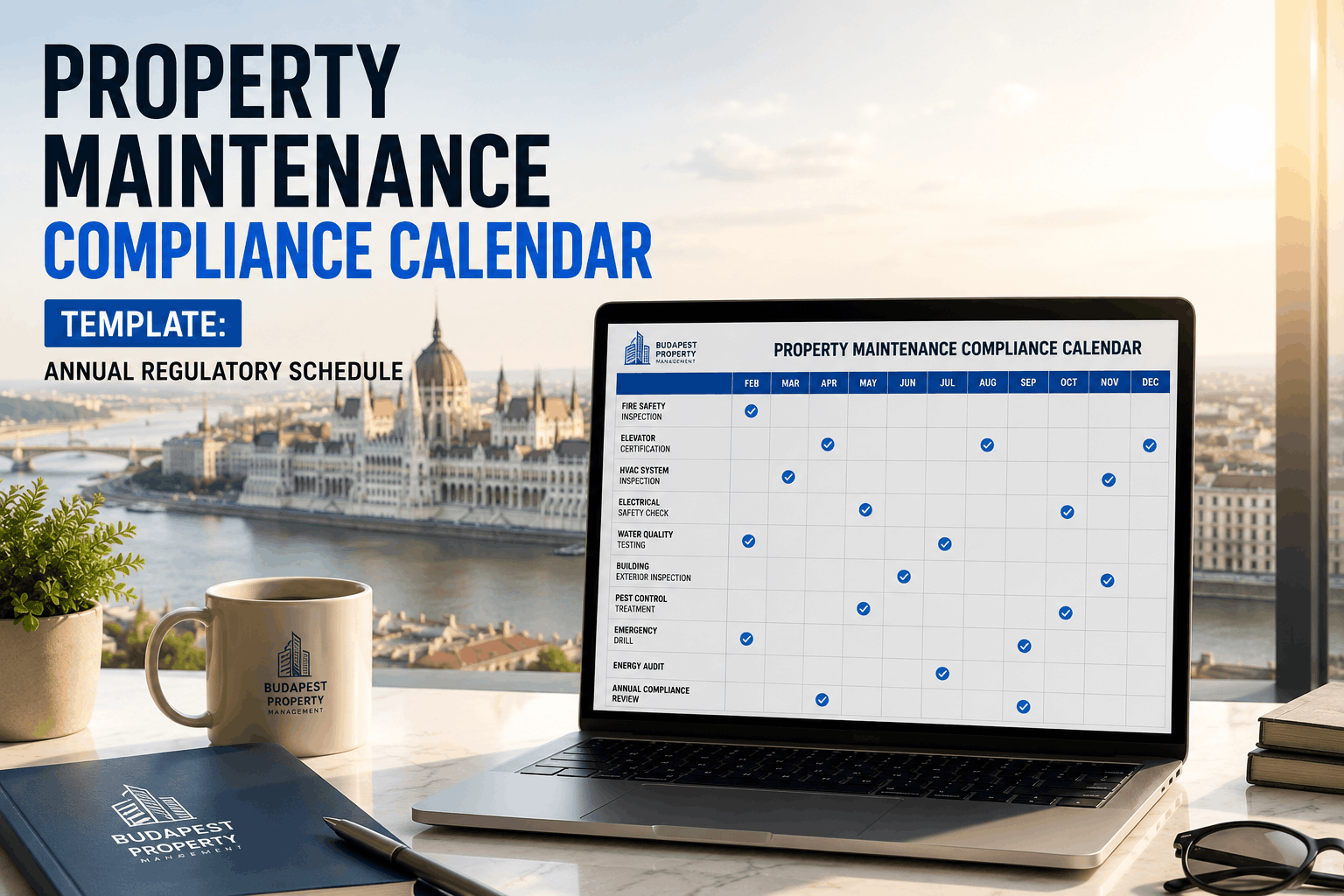
A preventive maintenance calendar is not optional for property managers in 2026 — it is the operational backbone that separates profitable, compliant portfolios from those that react to emergencies. Most property managers across the United States track maintenance requests as they arrive, which means critical assets like HVAC systems, roofs, fire safety systems, and elevators are serviced on a crisis schedule rather than a planned one. When you implement a structured PM calendar across your entire portfolio — synchronized with manufacturer recommendations, seasonal requirements, and regulatory compliance dates — maintenance cost drops by 18 to 27 percent while asset lifespan increases by 3 to 5 years. Oxmaint's portfolio-wide PM scheduling engine lets you build, track, and execute a master maintenance calendar for every asset class across every property. Start your free trial to see how the system automatically reminds technicians of upcoming PM tasks before they become emergency repairs.
How to Create a Preventive Maintenance Calendar for Your Entire Property Portfolio
A master PM schedule synchronized across HVAC, electrical, plumbing, roof, fire safety, elevators, parking lots, landscaping, and every other asset class in your portfolio. Without it, preventive maintenance remains a hope, not a strategy.
A PM Calendar Is Not a Spreadsheet — It Is a Living Operational System
Property managers in the United States increasingly recognize that a PM calendar built inside a CMMS software platform delivers execution discipline that spreadsheets cannot. When every technician sees their assigned PM tasks in real time, receives reminders 48 hours before each task is due, and can mark completion with timestamp and photo evidence, PM compliance rates jump from 52 percent to 87 percent within six months. Oxmaint's calendar system syncs with your mobile workforce, integrates manufacturer maintenance schedules directly, and flags regulatory compliance deadlines — fire safety inspections, elevator certifications, hazardous system audits — so nothing slips between the cracks. Start a free trial to build your first portfolio-wide PM calendar in under two hours.
Why Property Managers Need a Structured PM Calendar and What It Must Include
A preventive maintenance calendar is a detailed schedule that specifies when every asset in your portfolio requires service — from routine filter changes to annual compliance inspections. The calendar serves three critical purposes: it ensures manufacturer-recommended service intervals are never missed, it synchronizes maintenance teams across multiple properties, and it provides documentary evidence of PM compliance for insurance underwriters, property audits, and regulatory inspections. Without a structured calendar, PM tasks are performed sporadically, often too late to prevent asset degradation. Property managers across the United States report that their first organized PM calendar typically reveals 40 to 55 deferred maintenance tasks per property that had been overlooked entirely. Book a demo to see how other portfolio managers built their first calendar.
The Complete PM Calendar Framework: 6 Asset Classes That Demand Scheduled Maintenance
A comprehensive PM calendar for a property portfolio must address every major asset class with frequency, task specificity, and regulatory compliance built in. The following six categories cover the vast majority of residential and commercial portfolio maintenance. Fleets and portfolios that fail to schedule PM for any one of these typically experience emergency repairs that cost 4.8 times more than the planned task would have cost.
| Asset Class | Daily / Weekly | Monthly Frequency | Annual Requirement | Regulatory Compliance |
|---|---|---|---|---|
| HVAC Systems | Filter check, thermostat verification | Filter replacement (if needed) | Full system inspection, refrigerant charge verify, ductwork seal audit | EPA compliance for refrigerant handling, energy code audit |
| Roof & Gutters | Visual debris scan (post-storm) | Gutter debris removal, downspout flush | Full roof inspection, leak seal verification, flashing integrity test | Insurance carrier inspection requirement for claims eligibility |
| Fire Safety Systems | Alarm system function test | Fire extinguisher pressure gauge check | Sprinkler system flow test, alarm annual certification, extinguisher hydrostatic test (every 3–5 yrs) | NFPA 25 (sprinkler), NFPA 72 (fire alarm), UL compliance mandatory |
| Electrical Systems | Panel temperature scan (thermal imaging) | Backup generator fuel check and load test | Panel load audit, circuit breaker function test, grounding resistance test | NEC (National Electrical Code) compliance, insurance underwriter audit every 24 months |
| Plumbing & Water | Water pressure observation, leak visual scan | Water heater anode rod inspection, supply line survey | Complete water system flushing, backflow preventer certification, water quality test | Backflow certification required annually by municipal codes in 40+ US states |
| Elevators & Lifts | Operation test at start of each business day | Mechanical component lubrication, door alignment verify | Full modernization assessment, cable condition audit, safety brake function proof load test | ASME A17.1 annual certification mandatory for all commercial elevators across USA |
Step-by-Step: How to Build a PM Calendar for Your Portfolio From Scratch
Building a portfolio-wide PM calendar is a three-phase process: inventory every asset, match each asset to its manufacturer PM schedule, and then synchronize all tasks across a unified timeline. Property managers in the United States typically spend 8 to 12 hours on initial calendar build but recover that time within the first three months through reduced reactive maintenance calls. The process is repeatable — once the calendar is built, Oxmaint's system maintains it automatically as assets age and manufacturer recommendations update.
Walk every property and document every asset: HVAC unit make/model/install date, roof material/age, electrical panel capacity, fire system components, water heater capacity, elevator make/age. Photograph each asset for reference. This inventory becomes your PM calendar's foundation. Property managers typically discover 8 to 15 assets per property that have zero documented PM history.
For each asset class, collect the manufacturer PM manual (often available as PDF download from vendor websites). Note the recommended service interval: HVAC units typically require PM every 6 to 12 months, roofs every 2 to 3 years, electrical systems every 24 months, fire safety systems every 6 to 12 months depending on component type. Cross-reference with state and municipal compliance codes — 40+ US states require backflow certification annually, all states require fire safety certification at least once per year.
Create a unified calendar that shows every PM task, the month it is due, the responsible technician or vendor, and the estimated duration. Oxmaint's calendar system allows you to set recurring tasks (monthly, quarterly, annual) and automatically generates work orders 7 to 14 days before the due date. This gives your team advance notice to schedule vendors, order parts, and block technician time.
Every PM task must be documented with a timestamp, technician signature, and completion photo. Oxmaint's mobile app captures this data automatically as technicians complete tasks in the field. This documentation protects you in insurance claims, regulatory inspections, and property audits — proof that preventive maintenance was performed on schedule.
How Portfolio Managers Across the USA Use Oxmaint to Execute 12-Month PM Plans
Property managers who implement Oxmaint's calendar system report measurable outcomes within the first six months: PM compliance rates jump from 42 percent (estimated) to 87 percent (measured), emergency repair frequency drops by 34 percent, and predictable maintenance budgets replace crisis spending. The calendar becomes not just a schedule, but a communication tool that keeps technicians, vendors, and property owners aligned. Start a free trial to build your first month of PM tasks today.
| Metric | Before PM Calendar | 6 Months Into Calendar | 12 Months Into Calendar |
|---|---|---|---|
| PM Compliance Rate | 42% | 73% | 87% |
| Annual Emergency Repairs per Property | 18–22 | 12–16 | 8–11 |
| Average Maintenance Cost per Property per Year | $18,500 | $16,200 | $14,800 |
| Asset Downtime Hours per Year | 240–280 | 140–180 | 60–90 |
| Vendor Response Time (scheduled vs emergency) | 3–5 days (emergency 24 hours) | 2–4 weeks (planned) | 1–3 weeks (planned) |
"Before Oxmaint, we were managing four properties with overlapping maintenance needs and no unified schedule. We had HVAC filters being changed on three different schedules, fire safety certifications expiring without reminders, and a roof inspection that we completely forgot about. Within six months of using Oxmaint's calendar system, we reduced emergency calls by 40 percent and actually started carrying forward budget surplus instead of emergency spending. The calendar forced us to be proactive — and that discipline paid off."
— Property Manager, Multi-Family Portfolio, Dallas, Texas (Managing 4 Properties, 320 Units)
Frequently Asked Questions About PM Calendars and Portfolio Scheduling
How do I set PM frequencies if I don't have manufacturer documentation?+
What happens if a PM task is missed — does the calendar reschedule automatically?+
Can I build different PM calendars for different property types (residential vs commercial)?+
How far in advance should a PM task appear on the calendar for technicians to plan?+
Does a PM calendar help with insurance compliance and claims documentation?+
What's the difference between a PM calendar and a PM program?+
Can I sync Oxmaint's PM calendar with my existing property management software?+
How many properties can one PM calendar manage, and does performance degrade with portfolio size?+
Build Your First Portfolio PM Calendar in Less Than Two Hours
Oxmaint's PM calendar system is built for property managers who want to shift from reactive maintenance to planned, predictable operations. Start with your asset inventory and let the system generate your first 12-month schedule. No spreadsheets. No manual tracking. Just a living calendar that keeps every PM task visible and on schedule.