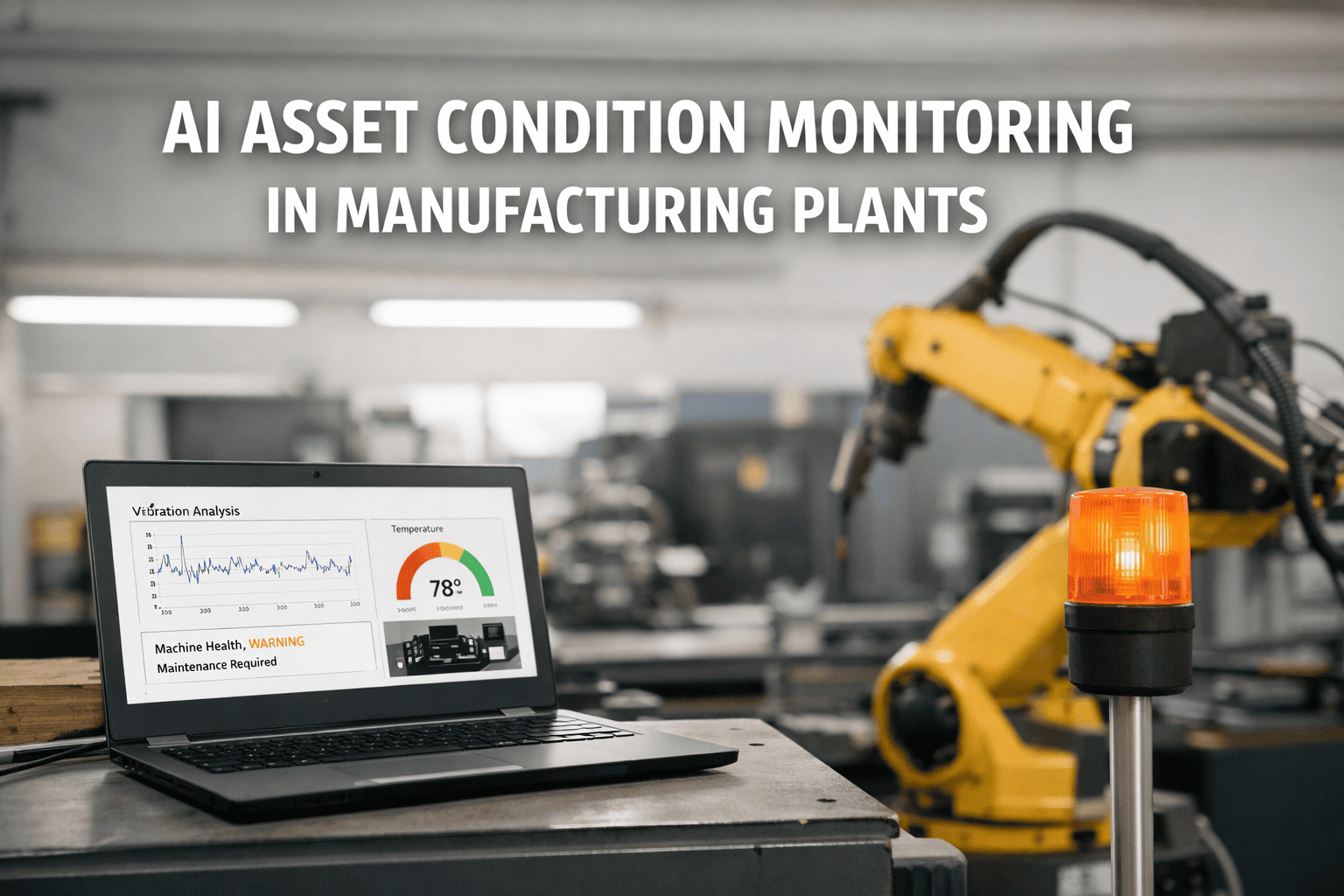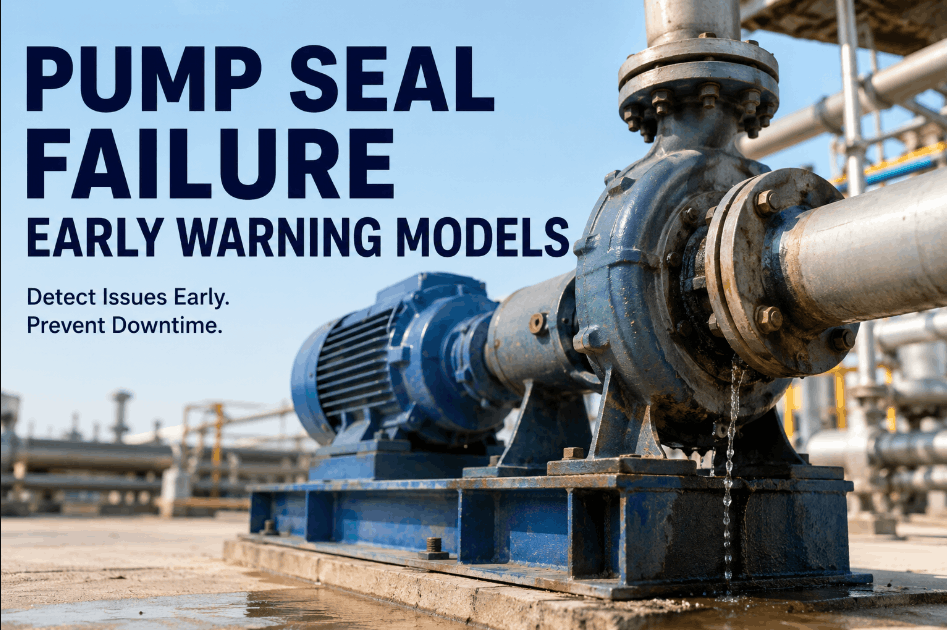
Pump seal failures are among the most preventable sources of unplanned downtime in process and manufacturing plants — yet they remain one of the most common. Mechanical seal degradation follows a predictable pattern: pressure change, early leakage signs, and vibration drift each appear in the asset's history before catastrophic failure arrives. Maintenance teams using Sign Up Free on OxMaint can capture inspection readings, leakage observations, and vibration data against individual pump records, creating the asset history foundation that early warning models require. Without structured condition data, seal failure warning signs remain isolated observations rather than actionable reliability signals. A pump seal early warning model combines these inputs from the same asset history to detect degradation trajectories weeks before failure forces an emergency repair.
Why Pump Seal Failures Continue to Catch Maintenance Teams Off Guard
Most plants track pump failures as events — they record what failed and when, but not the condition signals that preceded the failure. Without a structured model that connects pressure change, leakage signs, and vibration drift from the same asset history, early warning signals remain invisible in inspection logs and work order notes. Book a Demo to see how OxMaint aggregates condition data by asset to surface degradation patterns that manual reviews miss.
Six Condition Signals in a Pump Seal Early Warning Model
An effective pump seal early warning model does not rely on a single reading. It combines multiple condition inputs from the same asset history into a degradation trajectory that triggers maintenance action before seal failure causes a process interruption. Sign Up Free to begin logging pump condition readings in OxMaint and build the asset history your early warning model needs.
Seal Chamber Pressure Change Tracking
Deviation in seal chamber pressure from operating baseline is one of the earliest detectable indicators of seal degradation. Logging pressure readings at each inspection against a per-pump baseline in OxMaint enables trend detection before leakage becomes visible.
Leakage Sign Detection and Progression Logging
Early leakage signs — moisture around the stuffing box, staining on the pump casing, or flush line flow changes — often appear weeks before a full seal breach. Structured inspection checklists in OxMaint capture leakage observations at each visit and track whether signs are progressing or stable.
Vibration Drift and Amplitude Trend Analysis
Vibration amplitude drift — even before alarm threshold is reached — signals bearing or seal face wear accumulation. Logging vibration readings by frequency band against historical baselines for each pump in OxMaint converts discrete readings into a degradation trend visible before the next scheduled inspection.
Temperature Rise at Seal and Bearing Locations
Elevated temperature at the seal housing indicates increased friction load from seal face wear or inadequate lubrication. Temperature readings captured in OxMaint alongside vibration and pressure data allow maintenance teams to distinguish seal degradation from bearing or alignment issues at the same asset.
Flush System and Barrier Fluid Condition Monitoring
For double mechanical seals, barrier fluid level, pressure, and contamination state are direct indicators of inner seal condition. OxMaint inspection records for flush system parameters provide the upstream warning that inner seal degradation is underway before external leakage appears.
Operating History and Run Condition Correlation
Pumps that frequently operate outside their design envelope — off-curve, cavitating, or with intermittent dry-run events — experience accelerated seal wear. Correlating condition readings with operating history in OxMaint identifies whether degradation is driven by seal age or operating conditions, directing corrective action appropriately.
Pump Seal Early Warning Reference by Seal Type and Application
Different seal configurations and pump applications carry distinct degradation patterns and monitoring priorities. Matching your early warning approach to the seal type and duty cycle ensures condition monitoring effort is concentrated where detection value is highest. Book a Demo to explore how OxMaint structures inspection records and condition tracking by pump type and criticality in a single asset management platform.
| Seal Type / Application | Primary Warning Signal | Monitoring Frequency | Failure Risk if Unmonitored | OxMaint Lever |
|---|---|---|---|---|
| Single Mechanical Seals — Process Pumps | Leakage signs, pressure change | Weekly inspection | High — sudden seal breach with process release | Inspection checklist + leakage escalation alerts |
| Double Mechanical Seals — Hazardous Fluids | Barrier fluid level and contamination | Daily barrier fluid check | Very High — safety and environmental consequence | Barrier fluid reading logs with threshold alerts |
| Cartridge Seals — High-Speed Centrifugal Pumps | Vibration drift, temperature rise | Bi-weekly vibration reading | High — seal face damage from misalignment or cavitation | Vibration trend tracking in OxMaint asset history |
| Packing Seals — Older or Lower-Criticality Pumps | Leakage rate increase, gland adjustment frequency | Weekly visual inspection | Medium — progressive leakage and energy loss | Inspection logs with adjustment frequency tracking |
| Slurry Pump Seals — High-Abrasion Applications | Seal flush flow reduction, pressure drop | Daily flush system check | High — accelerated wear and seal face scoring | Flush flow readings + maintenance history correlation |
How Unstructured Seal Monitoring Compounds Pump Reliability Risk
Plants that inspect pumps on fixed calendar schedules without structured condition data collection miss the opportunity to detect seal degradation trajectories between visits. Each missed signal extends the time between detection and intervention, increasing the probability that seal failure becomes a production event rather than a planned maintenance activity. Book a Demo to see how OxMaint connects inspection data, work orders, and asset history into a pump reliability platform.
Building a Pump Seal Early Warning Program with OxMaint
Register All Monitored Pumps with Seal Type and Operating Parameters
Create asset records in OxMaint for each pump in your early warning program, including seal type, design operating range, and flush system configuration. This establishes the context layer that gives each condition reading meaning against that asset's specific operating profile.
Configure Structured Inspection Checklists for Seal Condition Signals
Build inspection checklists in OxMaint that capture pressure readings, leakage observations, vibration data, temperature, and flush system status at each pump visit. Structured data collection ensures every inspection contributes to the asset's condition history rather than remaining in unstructured notes.
Establish Condition Baselines and Alert Thresholds
Use initial inspection data in OxMaint to establish per-pump condition baselines for each monitored parameter. Set alert thresholds that trigger maintenance review when readings deviate from baseline by a defined margin, replacing time-based reviews with condition-driven action.
Link Alert Triggers to Maintenance Work Order Creation
Configure OxMaint to generate a maintenance work order automatically when a condition alert fires on a monitored pump. This closes the loop between early warning detection and maintenance execution without requiring manual escalation from the inspection team to the planning desk.
Analyze Failure Patterns Across the Pump Fleet for Model Refinement
Use OxMaint's reporting tools to compare condition signal patterns across seal failure events in your pump fleet. This cross-asset analysis identifies which signal combinations are the most reliable early warning indicators for your specific applications and refines alert thresholds over time.
Frequently Asked Questions: Pump Seal Failure Early Warning Models
What is a pump seal failure early warning model?
It is a structured approach that combines multiple condition inputs — pressure change, leakage signs, vibration drift, and temperature — from the same asset history to detect seal degradation trajectories before failure occurs, enabling planned intervention rather than reactive replacement.
What are the earliest detectable signs of pump seal degradation?
The earliest signals are typically subtle pressure change in the seal chamber, minor leakage moisture around the stuffing box, and low-amplitude vibration drift — all of which appear weeks before visible seal failure and require structured data collection across multiple inspections to detect as a trend.
How does OxMaint support pump seal early warning programs?
OxMaint provides structured inspection checklists, per-asset condition history, configurable alert thresholds, and automatic work order creation when alerts fire — giving maintenance teams the data infrastructure to operate a condition-based seal monitoring program without additional software tools.
How often should pump seals be inspected for early warning purposes?
High-criticality and hazardous-fluid pumps benefit from weekly or bi-weekly structured inspection. Lower-criticality pumps can be monitored monthly. OxMaint PM scheduling ensures inspection frequency is tied to criticality and condition history rather than a uniform calendar interval.
What is the difference between seal monitoring and general pump inspection?
General pump inspection checks overall operability. Seal-focused monitoring captures specific seal health parameters — chamber pressure, flush system state, leakage signs — against per-asset baselines to detect seal-specific degradation that a general inspection pass may not record in sufficient detail for trend analysis.