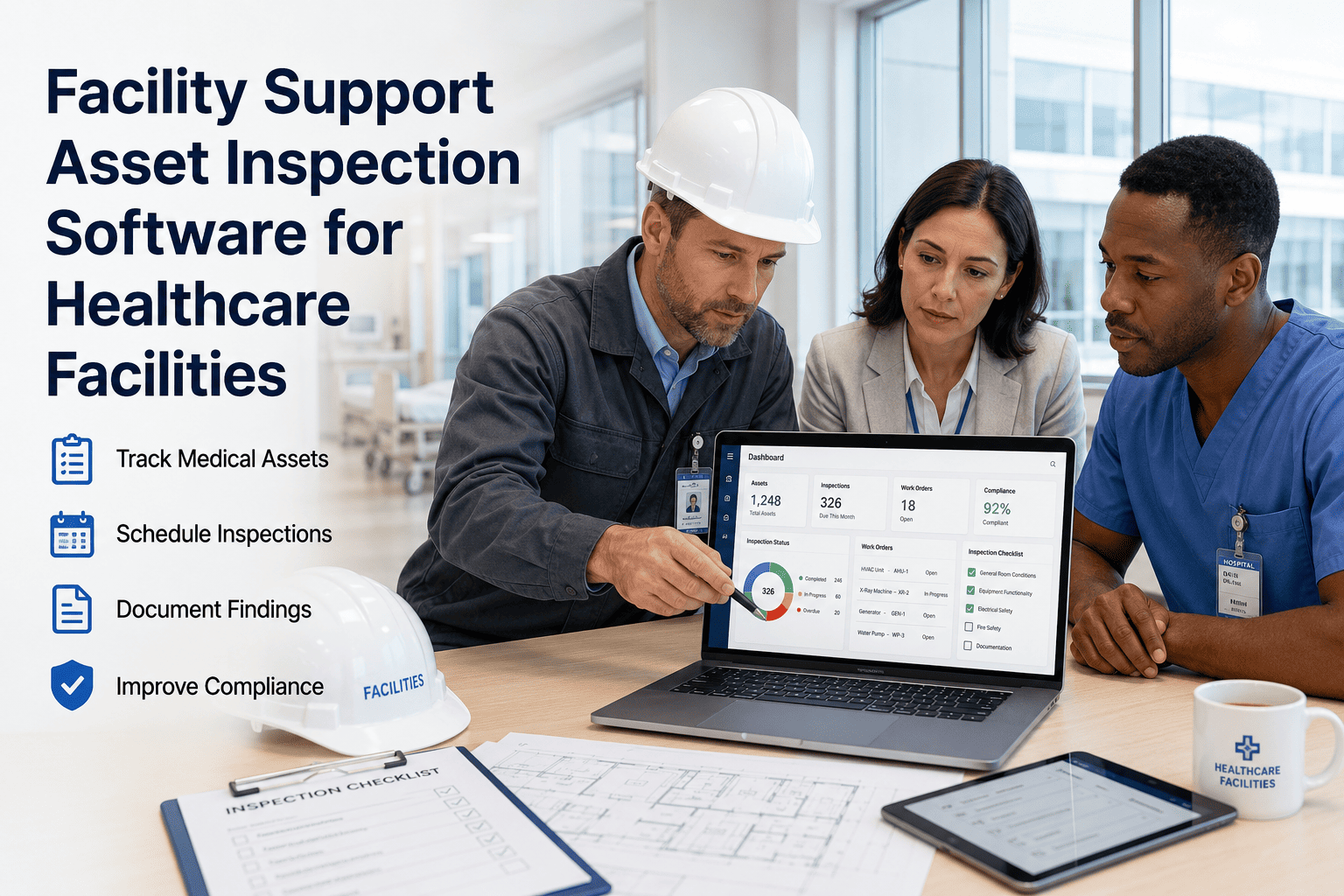
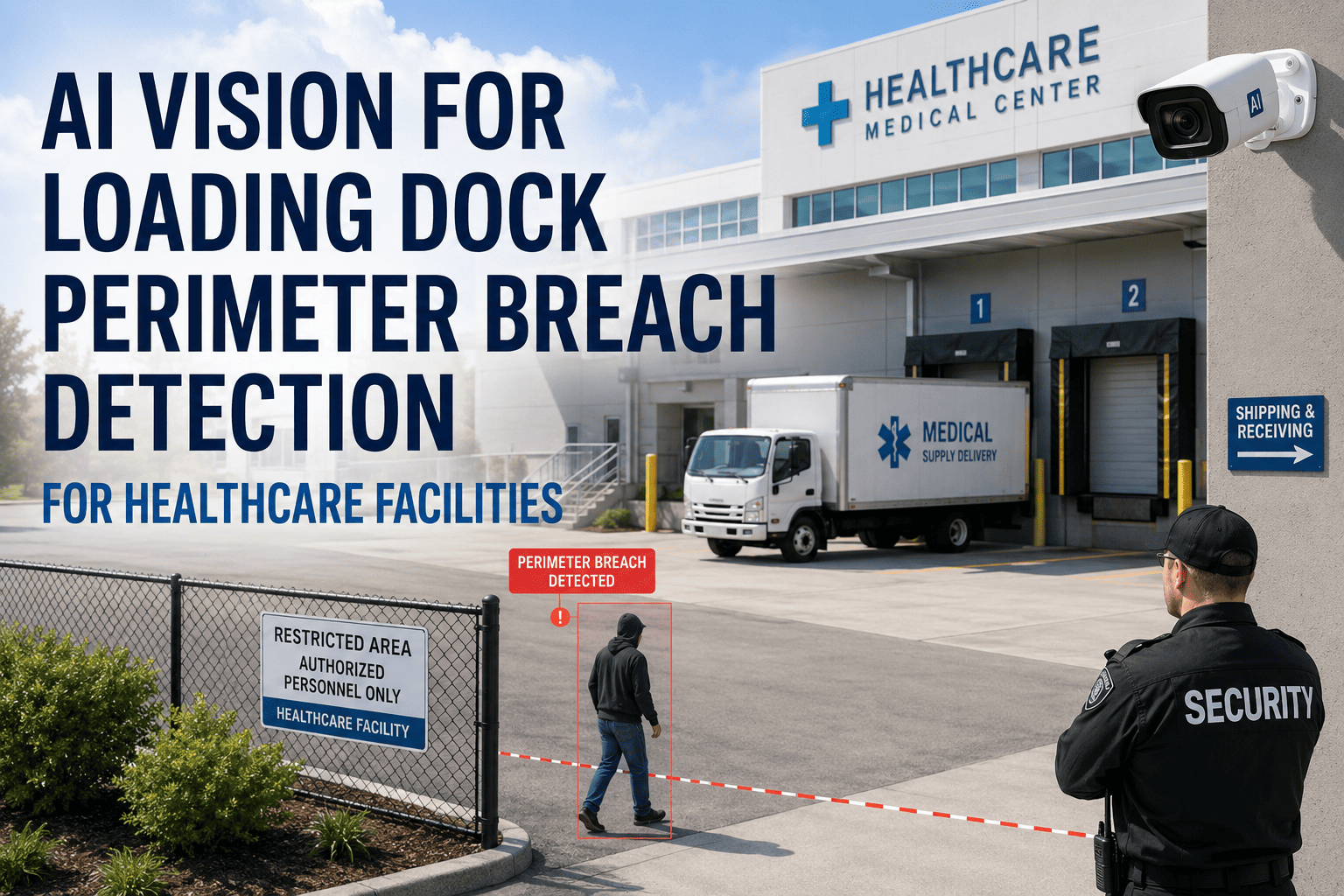
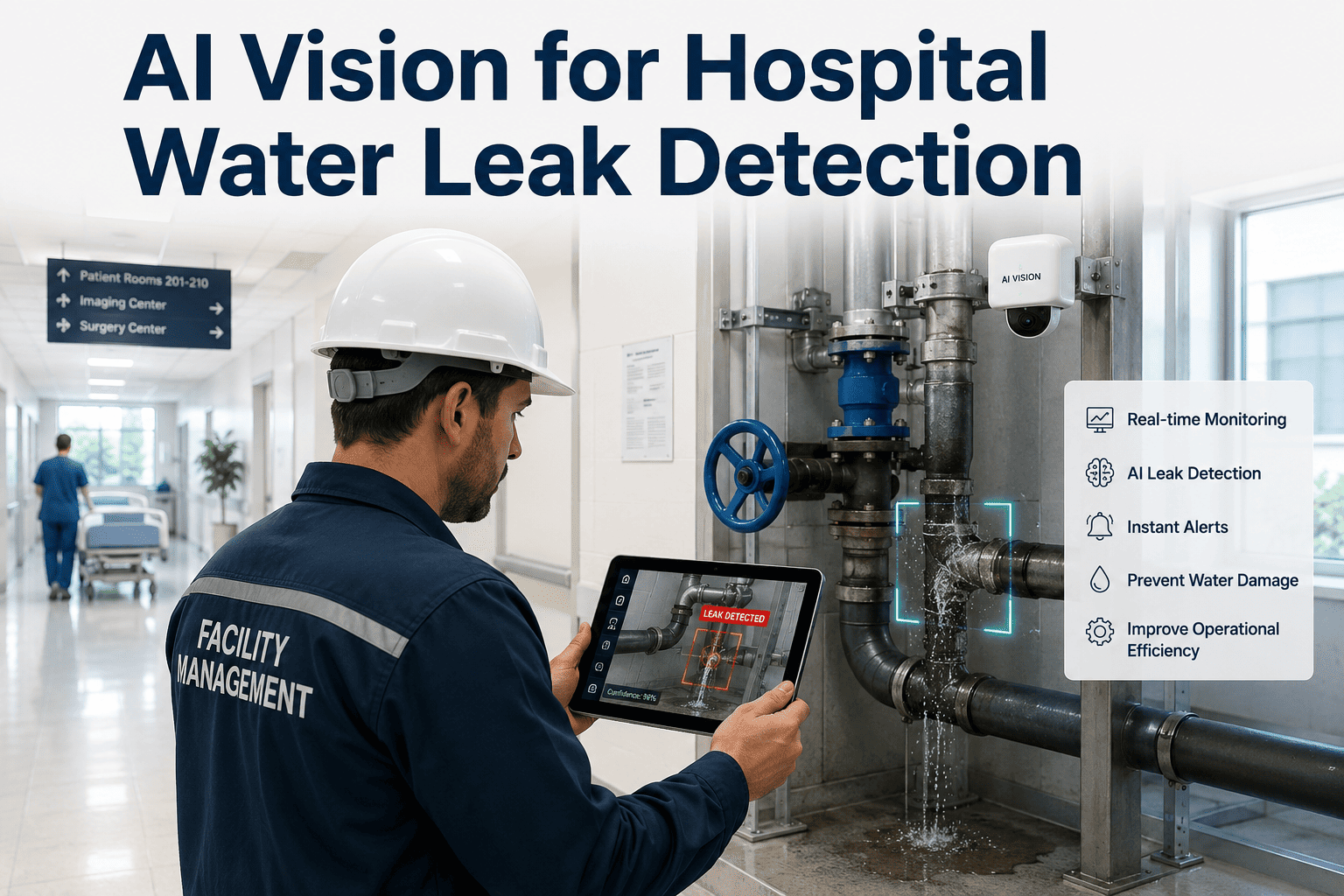
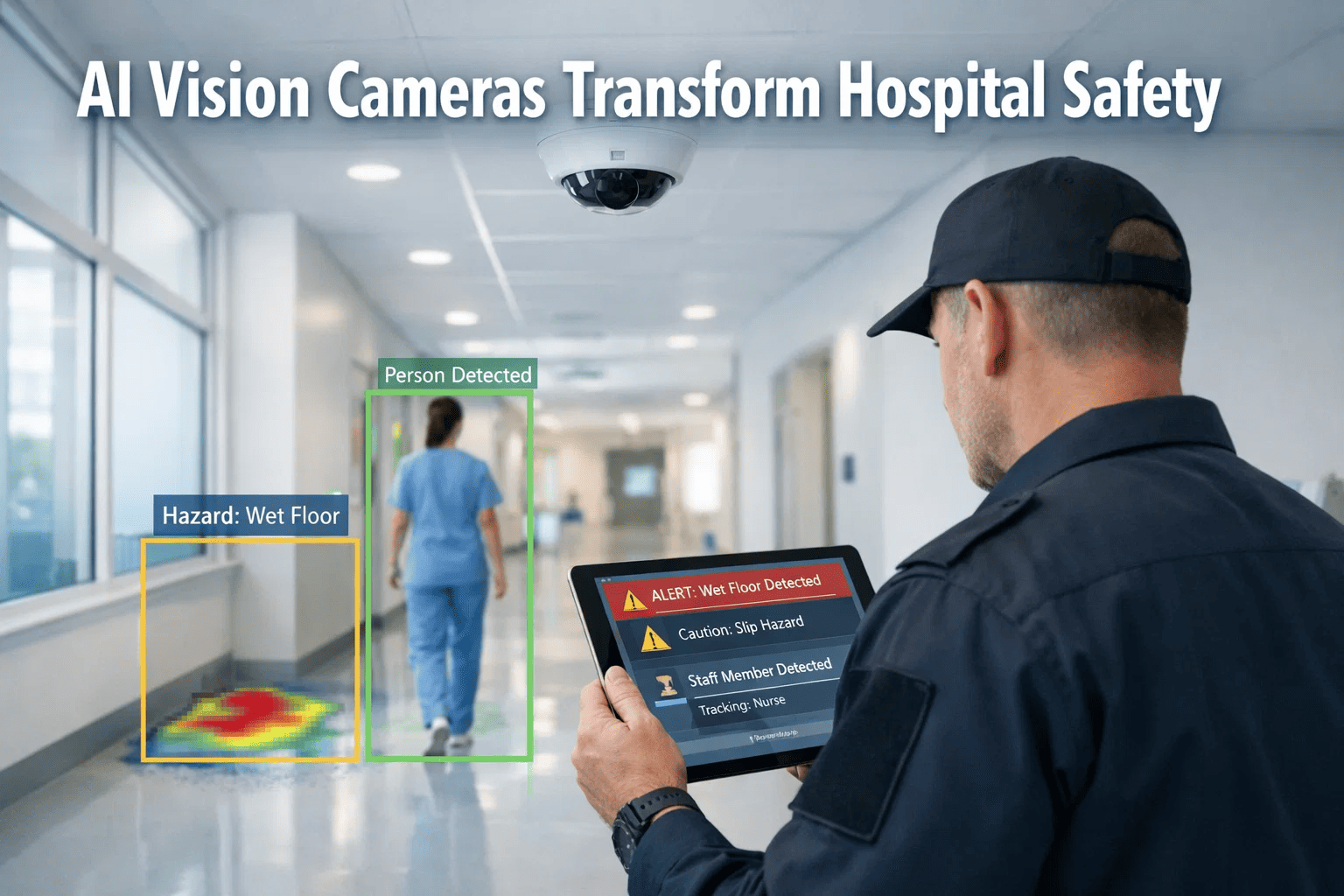
General-industry PPE detection answers one question: is the hard hat on the head. Pharmaceutical PPE compliance has to answer a harder one — was every garment donned in the correct sequence, does the mask fit, is any skin exposed, and can you prove it for a named operator on a specific date months from now when an inspector asks. In a cleanroom, PPE isn't there to protect the worker from the process; it's there to protect the product from the worker, who is the single largest source of microbial contamination in the room. That changes what "detection" has to mean — and it changes what you do with the result. This guide covers AI PPE detection for pharmaceutical facilities: how computer-vision gowning verification works, why sequence matters as much as presence, and how every check becomes a tracked compliance record and, when it fails, a work order. Start free on OxMaint or book a demo.
AI PPE Detection & Compliance for Pharmaceutical Facilities
General PPE detection asks "is it on?" Pharma asks "was it done right — and can you prove it, months later?"
80–90%
of cleanroom microbial contamination originates from the people inside it
100K/min
airborne particles a person sheds even while standing still in a gown
Every entry
verified and logged — not a scheduled audit or a self-reported check
Prove it
the record an FDA inspector actually asks for — per operator, per date
Why Pharma PPE Detection Is a Different Problem
Drop a generic PPE-detection model into a pharmaceutical gowning room and it will confidently confirm a coverall is present while missing everything that matters. Pharma gowning is a validated procedure where the order of donning is part of the control — put the coverall on before the hood and you've contaminated the gown, even though every item is "present." Detection here is behavioral, not static: it reads sequence, fit, skin exposure, and hygiene timing, then ties the result to a specific person for the audit trail. That's a different class of system from a construction-site hard-hat check — and the output isn't just an alert, it's a compliance record.
General-Industry PPE Detection
Checks presence — hard hat, vest, gloves, goggles
One frame, one yes/no: is the item on the body?
Protects the wearer from the hazard
A miss is a safety risk to one worker
Alert in the moment is the whole job
Pharmaceutical PPE Compliance
Verifies sequence, fit, skin exposure, hygiene timing
A validated donning order — wrong order fails even if complete
Protects the product from the wearer
A miss can destroy an entire sterile batch
Must produce a GMP audit trail tied to operator ID
What the Camera Actually Checks
A pharmaceutical PPE-detection model is configured against your gowning SOP, so it evaluates the same things a trained supervisor would — but on every single entry event, every shift, without fatigue or inconsistency. These are the checks that separate real gowning verification from a presence detector.
Garment Presence & Completeness
Hood, coverall, boots, mask, goggles, gloves — every item the zone's gowning standard requires, confirmed present before the operator is allowed to advance.
Donning Sequence
The validated order — hood before coverall, gloves last — verified as it happens. A complete gown donned in the wrong sequence is still a contamination event.
Fit & Skin Exposure
Mask seated over the nose, hood fully enclosing hair, cuffs tucked under gloves, no exposed skin at wrist or neck — the gaps that shed particles into Grade A/B air.
Hygiene & Sanitation Timing
Hand sanitization performed, shoe covers placed at the right transition, sanitation steps completed in the window the SOP defines — not skipped under time pressure.
The difference in one line: a presence detector confirms the garments exist on the body. A gowning-verification system confirms the procedure was followed — which is what an FDA inspector actually cites when it wasn't.
The Verification Gate · From Badge to Production Floor
PPE detection in pharma works best not as passive surveillance but as a gate: cameras placed at each transition in the airlock and gowning sequence, each serving a defined compliance function, with the inner door held until verification passes. The flow below is the sequence a correctly gowned operator moves through.
1
Identify at the Outer Door
A badge authenticates the credential; the camera confirms the person entering matches the badge — stopping tailgating and unauthorized entry into the gowning sequence.
2
Verify Each Gowning Step
As the operator dons each garment, the model checks it against the SOP sequence — hand sanitization, shoe covers, hair enclosure, coverall, mask, gloves — in order.
3
Hold the Interlock Until Clear
Integrated into airlock interlock logic, the inner door stays locked until every garment passes visual verification — the barrier checks the person, not just the door.
4
Log the Event to the Record
Operator ID, timestamp, pass or fail, and the specific deficiency if any — written to a GMP audit trail the moment it happens, not reconstructed from footage later.
Turn Every Gowning Check Into a Tracked Record — Free Forever
Sign up on OxMaint's free forever plan and route AI PPE detection into your compliance workflow: every entry event logged against operator ID, every failure raised as a work order, every gowning standard tracked like any other GMP-critical item. No card, no time limit.
Why the Audit Trail Is the Real Deliverable
An FDA inspector doesn't ask whether your gowning procedure exists — they ask you to prove it was followed, for a named operator, on a date months in the past. If that proof lives in a paper logbook and a supervisor's memory, you don't have it. This is where AI PPE detection earns its place: not the alert in the moment, but the permanent, queryable record that turns "we always gown correctly" into "here is the verified event for that operator on that shift."
What Inspectors Cite
The FDA has specifically flagged facilities where aseptic operators did not adequately follow gowning procedures. Gowning is a primary contamination vector and depends almost entirely on human discipline — fragile without monitoring, and impossible to prove after the fact from memory.
What a Compliant Record Holds
Every entry event tied to an operator ID (not stored face images), timestamp, verification result, and deficiency detail — retained per your quality-system policy and aligned with 21 CFR Part 11 and Annex 11 electronic-record expectations.
Records tie to operator IDs rather than visual identification from images — satisfying GDPR and equivalent privacy requirements in regulated markets while still giving QA a per-person, per-event trail.
One System, Zone-Specific Rules
A gowning standard isn't uniform across a facility — Grade A/B filling zones demand full aseptic gowning, while Grade D support areas need far less. A pharmaceutical PPE-detection system applies a different rule set to each zone from the same platform, so the check always matches the room the operator is entering.
| Cleanroom Grade | ISO Class | Gowning Standard Verified | Check Strictness |
|---|
| Grade A / B |
ISO 5 · aseptic core |
Sterile coverall, hood, goggles, double gloves, mask |
Strictest — full sequence + skin-exposure |
| Grade C |
ISO 7 · support cleanroom |
Coverall, hair & beard cover, gloves, mask |
Sequence + completeness |
| Grade D |
ISO 8 · support area |
Hair cover, protective clothing, gloves as required |
Lighter — presence + completeness |
The same platform applies each zone's rule set automatically at the gate — no separate system per cleanroom classification.
How OxMaint Runs the PPE Compliance Program
Detection is only half the value — the other half is what happens to the result. In OxMaint, every gowning event, every failure, and every gowning standard lives in the same compliance workflow as the rest of the facility, so PPE compliance is a managed program, not a camera feed nobody reviews.
Capture
Every Entry Logged
Each gowning event recorded against operator ID, zone, timestamp, and result — a continuous compliance trail, not a scheduled spot-check.
Alert
Failures in Real Time
A deficiency triggers an immediate alert at the gate and holds the interlock — the operator fixes it before entering, not after contamination.
Escalate
Failure to Work Order
A repeated or serious deficiency generates a numbered work order — retraining, investigation, or corrective action assigned, tracked, and closed out.
Track
Standards by Zone
Each cleanroom's gowning standard registered as a managed rule set — updated once, applied at every gate in that grade automatically.
Trend
Patterns & Repeat Offenders
Compliance rate by operator, shift, and zone surfaces recurring gaps — turning generic reminders into targeted training where it's actually needed.
Report
Audit-Ready History
Produce the verified gowning record for any operator, zone, or date range on demand — for FDA, EMA, or MHRA — instead of combing footage under audit pressure.
Make Every Gowning Event Verified and Provable
Free forever plan — no card, no time limit. Log every gowning check against operator ID, raise every failure as a work order, and keep a per-person, per-event audit trail ready for any inspector. Or book 30 minutes and we'll map your facility's PPE compliance program end to end.
Frequently Asked Questions
How is pharma PPE detection different from PPE detection on a factory floor?
General PPE detection checks presence — is the hard hat or vest on the body. Pharmaceutical detection verifies a validated gowning procedure: the sequence garments are donned in, mask fit, skin exposure, and hygiene timing, all tied to a specific operator for the GMP audit trail. The order of donning matters as much as the garments, so a complete gown done in the wrong sequence still fails.
Does the system store images of our operators' faces?
No. Compliance records tie to operator IDs rather than visual identification from stored images, which satisfies GDPR and equivalent privacy requirements in regulated markets. QA still gets a per-person, per-event trail, and retention is configurable to match your quality-system policy.
Can it enforce gowning, or does it only alert?
Both. It generates a real-time alert on any deficiency, and it can integrate into airlock interlock logic so the inner door stays locked until every garment passes verification — turning detection into an enforced contamination barrier rather than an after-the-fact notification. In OxMaint, a repeated failure also becomes a work order for follow-up.
Can one system handle different cleanroom grades?
Yes. The platform applies zone-specific rule sets — full aseptic gowning for Grade A/B (ISO 5), lighter requirements for Grade C (ISO 7) and Grade D (ISO 8) — so the check always matches the standard for the room the operator is entering, all from one system.
What does OxMaint add beyond the detection itself?
The compliance program around it: every event logged to an audit trail, failures escalated to tracked work orders, gowning standards managed by zone, and compliance trends by operator and shift — so PPE detection becomes a closed loop, not a camera feed.
Start free or
book a demo.