Unplanned vehicle downtime costs the average fleet operation $448 to $760 per hour, per truck — and a significant share of that cost traces directly to preventable maintenance failures that poor DOT repair documentation allowed to escalate. Building a structured DOT repair documentation program is not a compliance formality; it is a direct lever on your operational cost per mile. Fleets that implement systematic documentation protocols report 23% reductions in unplanned breakdowns within the first year. This guide walks through every component of a documentation program designed to reduce downtime costs, with a practical framework for calculating your current documentation gap and the financial return of closing it. Teams managing 15 or more vehicles can explore how OxMaint's AI-powered CMMS automates the entire documentation workflow to further reduce downtime exposure.
How to Build a DOT Repair Documentation Program That Reduces Downtime Cost
A step-by-step framework for building a DOT repair documentation program — plus a practical cost calculator to measure your current downtime exposure and the ROI of systematic documentation.
The Real Cost of Documentation Gaps — A Breakdown
Before building your program, you need to understand exactly where poor documentation creates financial exposure. Most fleet managers underestimate the full cost because it appears across three separate budget lines.
Per-vehicle fines for documentation violations under 49 CFR Part 396. Repeat violations within a 12-month window can trigger out-of-service orders that halt revenue operations entirely.
When maintenance intervals are missed because documentation failed to trigger service, minor wear becomes major repair. The average unplanned breakdown adds 6.3 hours of downtime versus 1.1 hours for a scheduled service event.
Carriers with conditional or unsatisfactory DOT safety ratings pay 8 to 22% higher commercial auto and cargo insurance premiums. Poor documentation is among the top-5 contributing factors to rating deterioration.
Many shipper contracts include clauses that allow termination or penalty for carriers that receive conditional DOT safety ratings. Documentation failures that trigger rating changes put active contract revenue at risk.
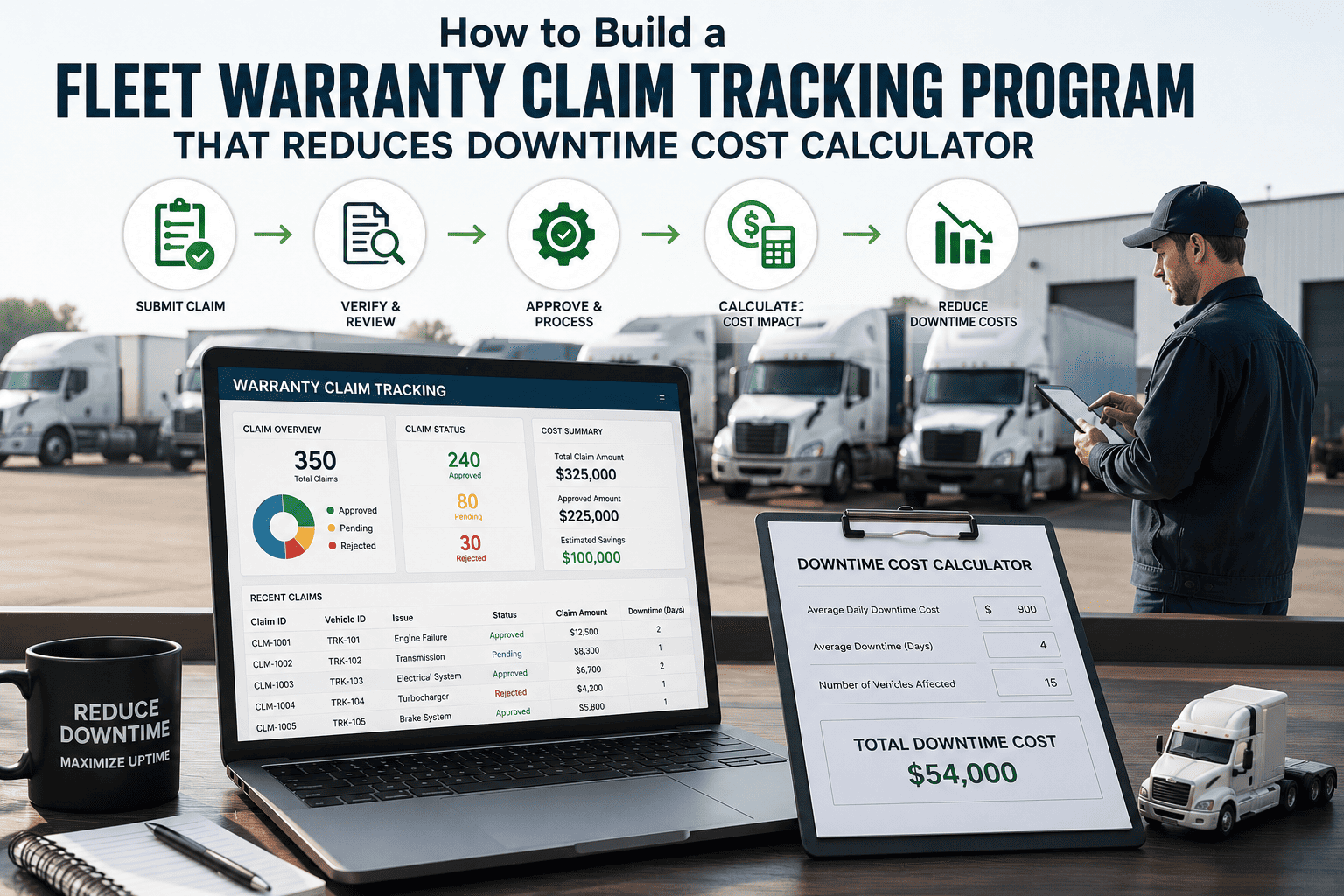
Downtime Cost Calculator — Estimate Your Documentation Gap
Use this framework to calculate your fleet's current annual downtime cost attributable to documentation-preventable failures. The formula is straightforward — the numbers it produces are not.
Want a Custom Downtime Cost Estimate for Your Fleet?
OxMaint's team works with fleet managers to calculate precise documentation gap costs based on your actual vehicle count, breakdown history, and maintenance schedules. Book a 30-minute session to walk through your numbers.
The 6-Component DOT Documentation Program Framework
A documentation program that actually reduces downtime costs is not a filing system — it is an operational workflow with six interdependent components. Miss any one and the cost savings leak out.
Standardized DVIR process with real-time mobile submission, defect categorization by severity and system, and automatic escalation for safety-affecting findings. The faster defects surface, the lower the repair cost — FMCSA data shows defects caught at pre-trip stage cost 3.8x less to repair than roadside discoveries.
Every reported defect must automatically generate a work order assigned to a qualified technician with a deadline. Manual assignment processes introduce 2 to 6 hours of delay per defect — time during which the vehicle either sits idle or operates at risk. Automated routing eliminates this gap entirely.
Every repair completion must be certified by a qualified technician with time-stamped digital sign-off. The certification record must link to the original DVIR, specify what was done, and identify who authorized return to service. This chain is what auditors look for first — and what most manual systems cannot produce reliably.
Maintenance intervals must be defined by mileage, engine hours, or calendar date — whichever comes first — and automatically scheduled before the trigger point. AI predictive systems analyze usage patterns to advance scheduling for high-utilization vehicles, further reducing breakdown risk during peak operating periods.
All documentation — DVIRs, work orders, certifications, inspection records, and OOS logs — must be stored in a single searchable system with role-based access. Distributed storage across paper files, email, and spreadsheets at multiple locations is the primary reason 41% of fleets fail the 48-hour record retrieval requirement.
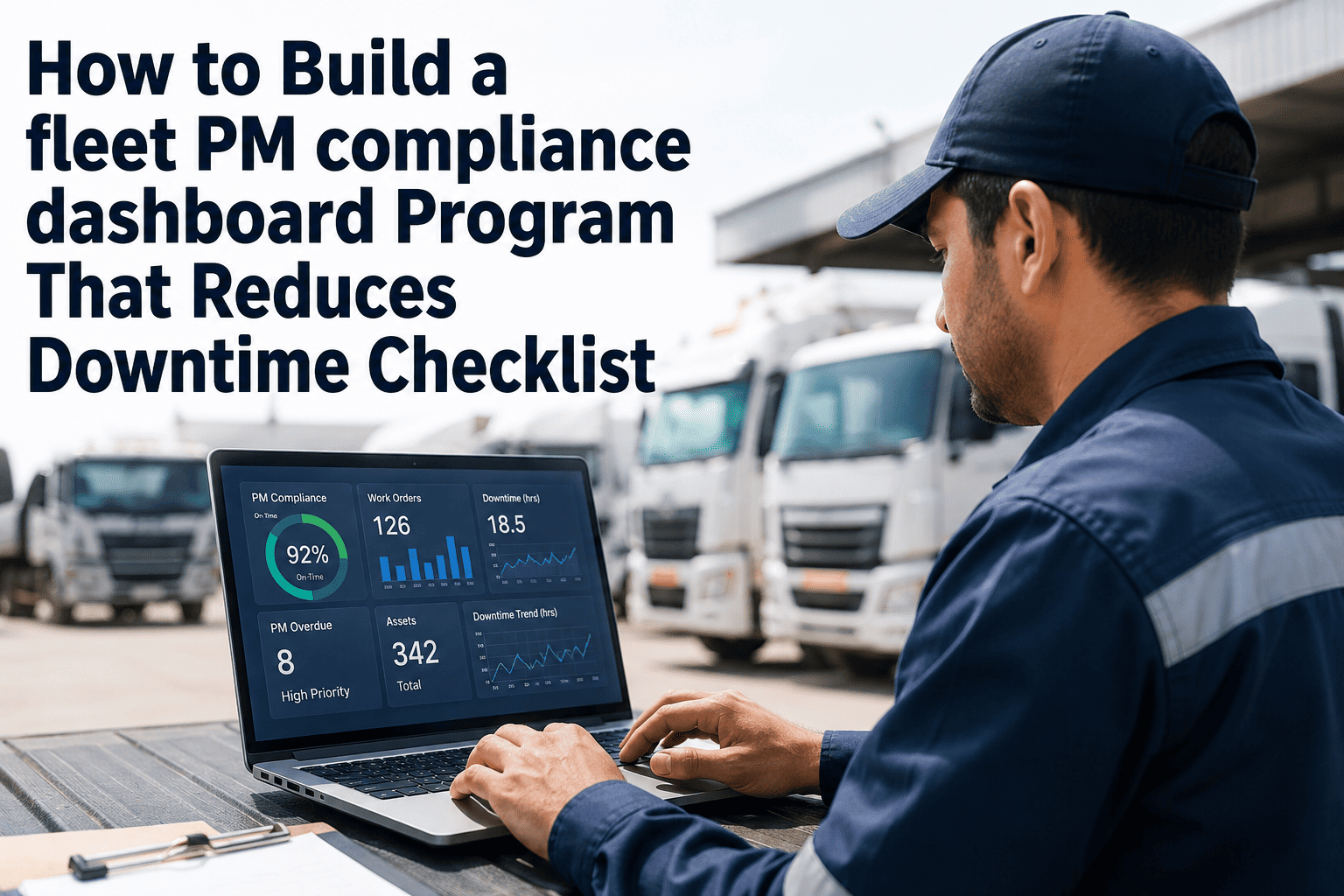
Fleet managers need a live view of documentation status across every vehicle — which DVIRs are open, which work orders are overdue, which vehicles have upcoming inspection deadlines, and which certifications are pending. Without this visibility, documentation gaps are only discovered when an auditor finds them.
Documentation Program ROI — What Fleet Managers Report
These figures come from fleet maintenance operations that implemented structured DOT documentation programs within the past three years. The pattern is consistent regardless of fleet size.
The primary Year 1 gain comes from capturing defects earlier and eliminating scheduling gaps. Most fleets see full program cost recovered within 8 to 11 months.
Year 2 benefits compound as the documentation history builds. Auditors reviewing two years of clean records significantly reduce investigation depth and violation likelihood.
By Year 3, predictive maintenance patterns become visible in the data. Fleets using AI-powered CMMS platforms report an additional 14% downtime reduction as the system learns vehicle-specific maintenance patterns.
Frequently Asked Questions
What is the single most impactful change a fleet can make to reduce documentation-related downtime costs?
How much does it cost to implement a structured DOT documentation program?
How does AI predictive maintenance contribute to the documentation cost reduction?
Can a documentation program reduce insurance premiums?
How long does it take to see measurable downtime cost reduction after implementing a documentation program?
Stop Paying the Documentation Gap Tax on Every Repair
OxMaint automates every component of a DOT-compliant repair documentation program — DVIR capture, work order routing, technician certification, preventive scheduling, and audit-ready reporting. Start measuring the difference in your cost per mile within 90 days.