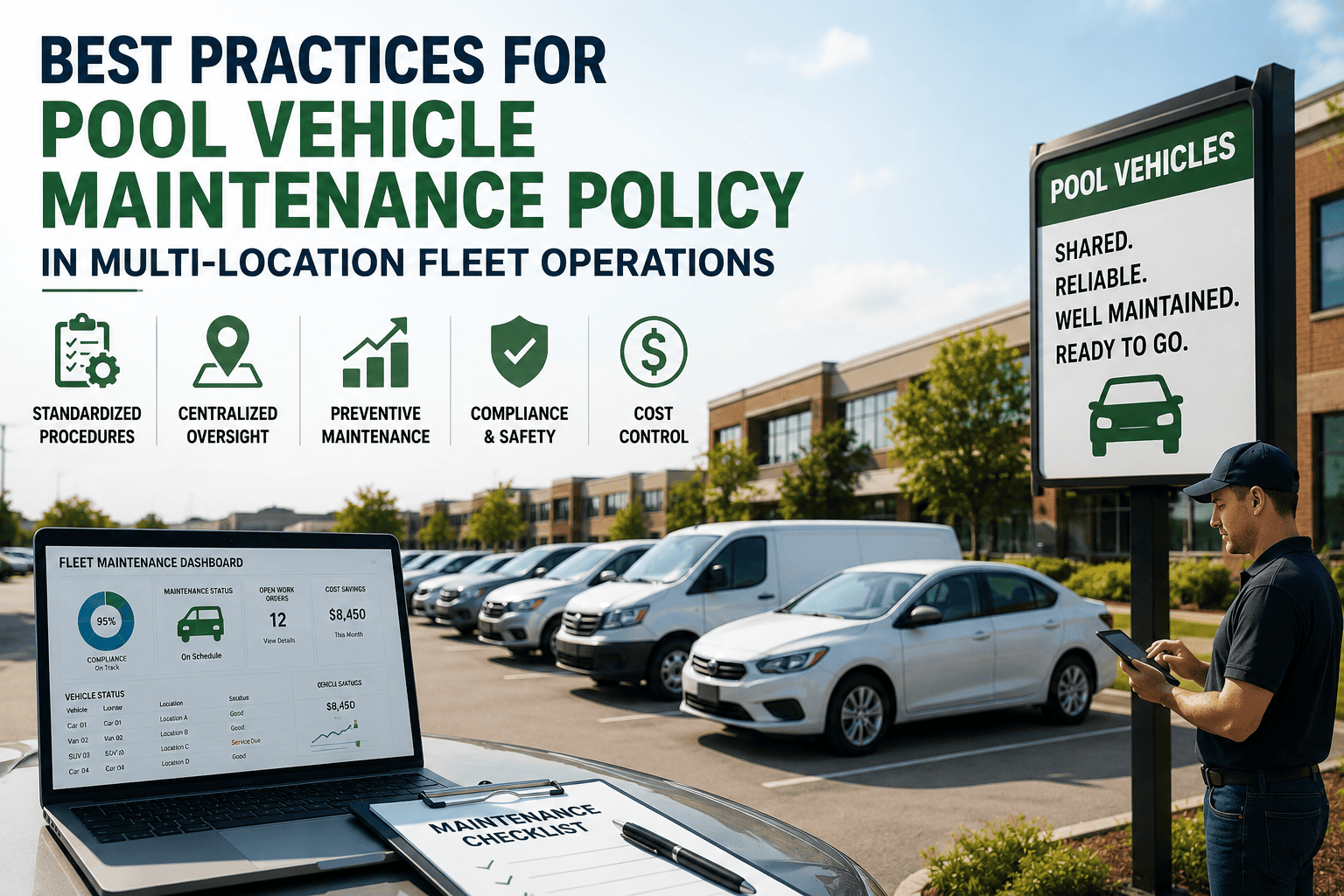
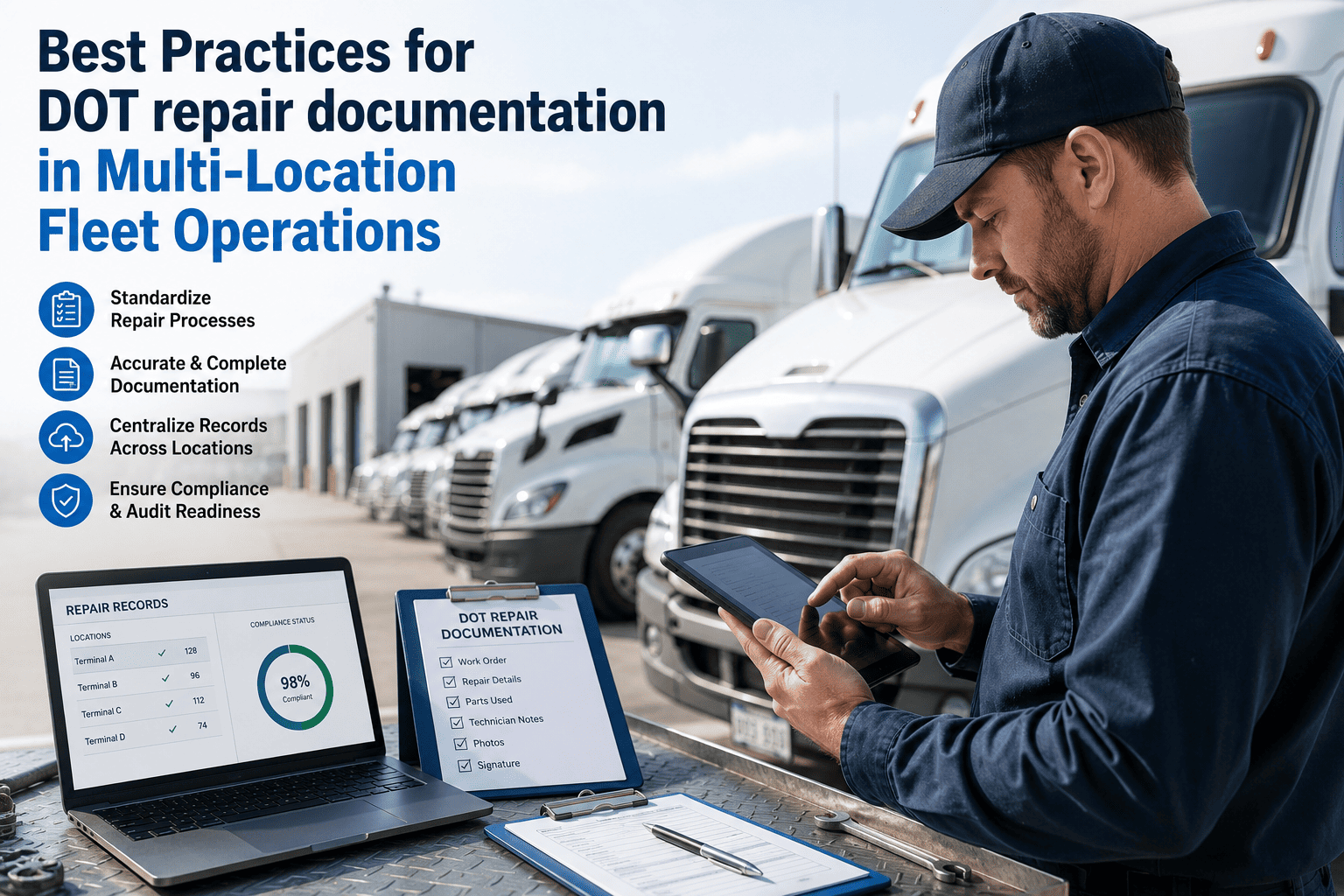
A regional service company running 11 branches once assumed every location followed the same maintenance calendar. When head office finally pulled the numbers, preventive maintenance compliance ranged from 88% at the best-run branch to just 23% at the weakest one — same company, same fleet policy on paper, completely different reality on the ground. Vendor rates differed by branch, technicians filled out inspection forms differently, and nobody could say with confidence how many trucks were actually road-ready on any given morning. Multi-location fleets rarely lose control all at once. They lose it one unwritten local habit at a time, until every site is quietly running its own version of the rulebook. If your locations are each running fleet operations their own way, start a free trial with Oxmaint or book a demo.
Fleet Multi-Location Standardization Guide: Turning 20 Sites Running 20 Different Ways Into One Consistent Operation
Every unstandardized location is a separate experiment in maintenance, spending, and risk. Standardization is not about making every branch identical — it is about giving every branch the same rulebook, the same data, and the same visibility, so growth strengthens the fleet instead of fragmenting it.
Operational Drift: How One Fleet Policy Becomes Twenty Different Fleets
No location manager sets out to break policy. Drift happens quietly — a branch short on technicians pushes an inspection back a week, another negotiates its own parts vendor because it is faster, a third keeps paper logs because the new system never got rolled out locally. None of these choices look dangerous in isolation. Stacked across dozens of sites, they become the reason head office cannot answer basic questions about its own fleet.
- One preventive maintenance library, same intervals for the same asset class
- One approved vendor and parts pricing sheet
- One digital inspection form, completed before every shift
- One reporting cadence rolling up to a single fleet dashboard
- Three different PM intervals depending on who trained the local tech
- Local vendors chosen for speed, not for the negotiated corporate rate
- A mix of paper logs, spreadsheets, and half-adopted apps
- Monthly reports that arrive late, incomplete, or not at all
One Maintenance Standard. Every Site. One Dashboard That Actually Reflects All of Them.
Oxmaint pushes the same PM library, inspection checklist, and vendor rules to every location, then rolls every completed work order back up into one live view — so standardizing is a setting, not a six-month change-management project.
The Compliance Spread — What Unstandardized Sites Actually Look Like
This is the pattern that shows up almost every time a multi-location fleet audits itself for the first time: a small number of well-run sites carrying the fleet-wide average, while a long tail of under-resourced or under-trained sites drag compliance down without head office noticing. The average number on the dashboard hides the real story.
A 65-point spread between top and bottom sites is common in fleets that manage each location independently. Standardized fleets running one shared PM system routinely close this gap to within 10-15 points across every location.
The Six Pillars of a Standardized Multi-Location Fleet
Standardization is not one policy document — it is six operational layers that all have to move together. Fix one and leave the other five fragmented, and the fleet snaps back to its old habits within a quarter.
How a Standardization Rollout Actually Happens
Fleets that standardize successfully move in a set order. Skipping ahead to fleet-wide rollout before a pilot proves the model is the most common reason standardization projects stall out.
Fragmented vs Standardized — Multi-Location Fleet Comparison
The difference between a fragmented multi-location fleet and a standardized one is not visible in any single site's numbers. It shows up the moment you try to compare two locations side by side.
| Operating Dimension | Fragmented (Site-by-Site) | Standardized (Fleet-Wide) |
|---|---|---|
| PM compliance visibility | Known per site, rarely compared | Ranked and visible across every site daily |
| Vendor pricing | Negotiated locally, wide rate variance | One negotiated rate applied fleet-wide |
| New site onboarding | Rebuilt from scratch, 2-3 months | Existing playbook applied in weeks |
| Technician onboarding | Trained on local habits and shortcuts | Trained on one documented standard |
| Audit readiness | Manual document collection per site | Fleet-wide report generated on demand |
| Downtime response | Depends on which site the asset is at | Same escalation path, every location |
Stop Rebuilding Fleet Operations Every Time You Open a New Location
Oxmaint gives every new site the same PM library, checklist, and vendor rules from day one, and rolls its data into the same fleet-wide dashboard automatically — so standardization scales as fast as the business does.
What Oxmaint Automates for Multi-Location Fleets
Standardization fails most often because it depends on every site remembering to follow the same rules by hand. Oxmaint removes that dependency by building the standard into the system every location already uses.
Frequently Asked Questions
How long does it take to standardize a multi-location fleet?+
Does standardization mean every site has to be identical?+
What is the biggest sign a fleet needs standardization?+
How fast can a new location be onboarded once standards exist?+
Who should own multi-location standardization?+
Every Site. One Standard. One Fleet You Can Actually See.
Shared PM libraries, cross-site compliance ranking, guided new-site onboarding, and fleet-wide audit reporting — the operating layer that turns twenty locations running twenty different ways into one fleet you can manage with confidence.