Aviation CMMS ROI across multi-airport operations is rarely captured in a single metric. Labor savings, data visibility gains, and maintenance throughput improvements each contribute to system payback — but only when the CMMS is purpose-built for the operational complexity of distributed airport environments. OxMaint delivers a maintenance management platform that connects work order flow, asset intelligence, predictive alerts, and mobile workflow across every station in your network. Sign Up Free and begin quantifying ROI from your first week of deployment.
Why Multi-Airport Operations Need a Dedicated CMMS ROI Framework
Single-site maintenance benchmarks underestimate the value of CMMS deployment when applied to distributed airport networks. Multi-airport operators manage heterogeneous asset fleets, inconsistent reporting layers, and fragmented sensor feeds across stations — making it difficult to isolate where labor expense is highest, where throughput is slowest, and where predictive alerts deliver the most delay prevention. Book a Demo with OxMaint to walk through a structured ROI model built specifically for multi-airport maintenance environments.
OxMaint tracks technician hours per work order, station by station — exposing labor inefficiencies that manual timekeeping and fragmented spreadsheets never surface across a distributed airport network.
A unified data model across all stations replaces disconnected local spreadsheets and legacy systems — giving maintenance planners a single source of asset history, work order flow, and performance monitoring data.
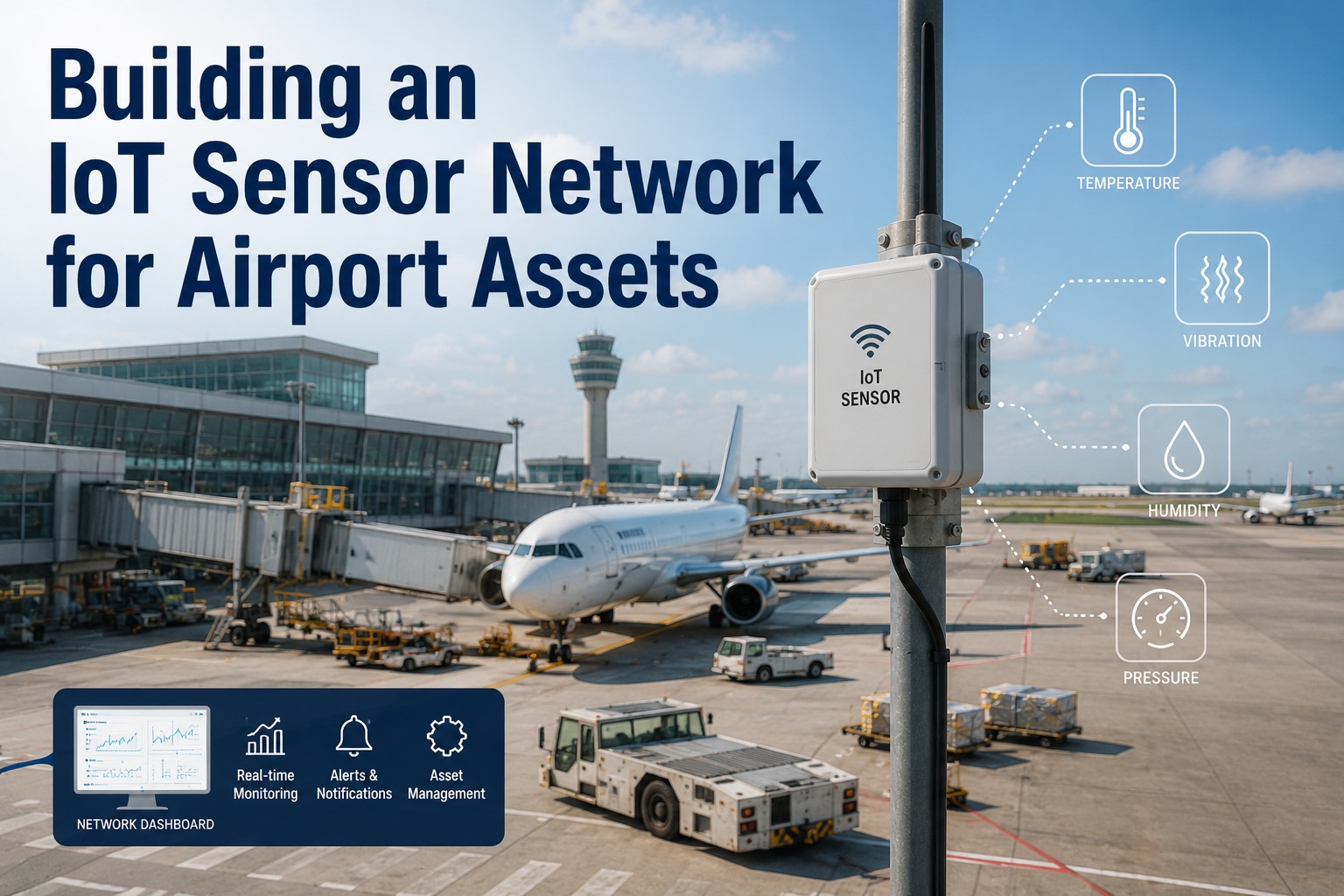
Machine learning and pattern mining on sensor feed data generate predictive alerts before failures occur — converting reactive repair spend into planned maintenance events with measurable cost avoidance.
Work order logic and mobile workflow automation compress task cycle times across every station — directly improving maintenance throughput and asset availability for airside operations.
CMMS ROI Pillars for Multi-Airport Maintenance Operations
The following pillars define where CMMS investment generates quantifiable returns for multi-airport operators — from direct labor savings to long-term reliability engineering gains. Sign Up Free on OxMaint to access the tools that deliver each ROI pillar from your first active station.
Automated work order generation, mobile dispatch, and digital sign-off eliminate manual coordination overhead — reducing the technician hours spent on administrative tasks rather than productive maintenance work across all stations in the network.
Predictive alerts generated from sensor feed data and pattern mining allow maintenance planning teams to schedule interventions before failure — converting unplanned AOG events into planned maintenance windows that cost a fraction of reactive recovery. Book a Demo to see OxMaint's anomaly detection layer in action across asset classes.
Consolidated reporting across all airports in the network replaces manual data aggregation — giving reliability engineering and asset management teams instant access to performance monitoring dashboards without compiling station-by-station extracts.
Digital audit trails, structured inspection records, and automatic regulatory documentation replace manual record compilation — reducing audit preparation time and the compliance overhead that scales with multi-station operations.
Field technicians complete tasks faster when mobile workflow eliminates paper handling, manual re-entry, and return trips to desktop workstations — improving maintenance throughput per technician hour at every station in the multi-airport network. Book a Demo to model throughput gains for your specific fleet and station footprint.
CMMS-driven parts demand forecasting reduces emergency procurement costs and excess inventory carrying costs — delivering measurable savings across multi-airport parts networks where stock levels are difficult to optimize without centralized asset intelligence.
CMMS ROI Metric Reference: Multi-Airport Operations
The table below maps each ROI category to its measurement input, target baseline, and the OxMaint capability that drives the improvement.
| ROI Category | Measurement Input | Target Baseline | OxMaint Capability |
|---|---|---|---|
| Labor Savings | Technician hours per work order | Pre-CMMS average cycle time | Mobile workflow, auto-dispatch |
| Downtime Avoidance | Unplanned failure events per quarter | Historical reactive event cost | Predictive alert, anomaly detection |
| Reporting Efficiency | Hours spent on data aggregation monthly | Manual reporting baseline | Unified reporting layer |
| Compliance Cost | Audit preparation hours per cycle | Paper records retrieval time | Digital audit trail, inspection records |
| Throughput Gains | Work orders completed per technician per shift | Paper-based throughput rate | Work order logic, mobile sign-off |
| Inventory Optimization | Emergency parts procurement events | Reactive procurement cost per event | Asset intelligence, demand forecasting |
Calculating CMMS System Payback: 5-Stage ROI Model
Multi-airport operators can apply this structured approach to estimate CMMS system payback before full deployment and validate returns at each stage of rollout. Sign Up Free on OxMaint to begin capturing the baseline data your ROI model requires.
Document current technician hours per work order type, unplanned downtime frequency, and reactive repair cost per event across all stations — establishing the pre-CMMS baseline against which improvements will be measured.
Identify reporting layer gaps — hours spent on manual data aggregation, stations without centralized asset history, and asset intelligence blind spots where sensor feed data exists but no pattern mining is applied.
Apply expected mobile workflow efficiency gains to current work order volume — projecting the additional maintenance throughput achievable per technician shift without increasing headcount across the multi-airport network.
Estimate the cost avoidance potential of converting a defined percentage of reactive failures to planned maintenance events using OxMaint's anomaly detection and machine learning predictive alert capabilities.
Sum projected annual savings across labor, downtime avoidance, reporting efficiency, and compliance cost reduction — then divide by total CMMS deployment cost to produce a clear system payback period in months.
Aviation CMMS ROI: Performance Benchmarks
Use these benchmarks to frame your multi-airport CMMS business case before presenting to capital committees or senior operations leadership.