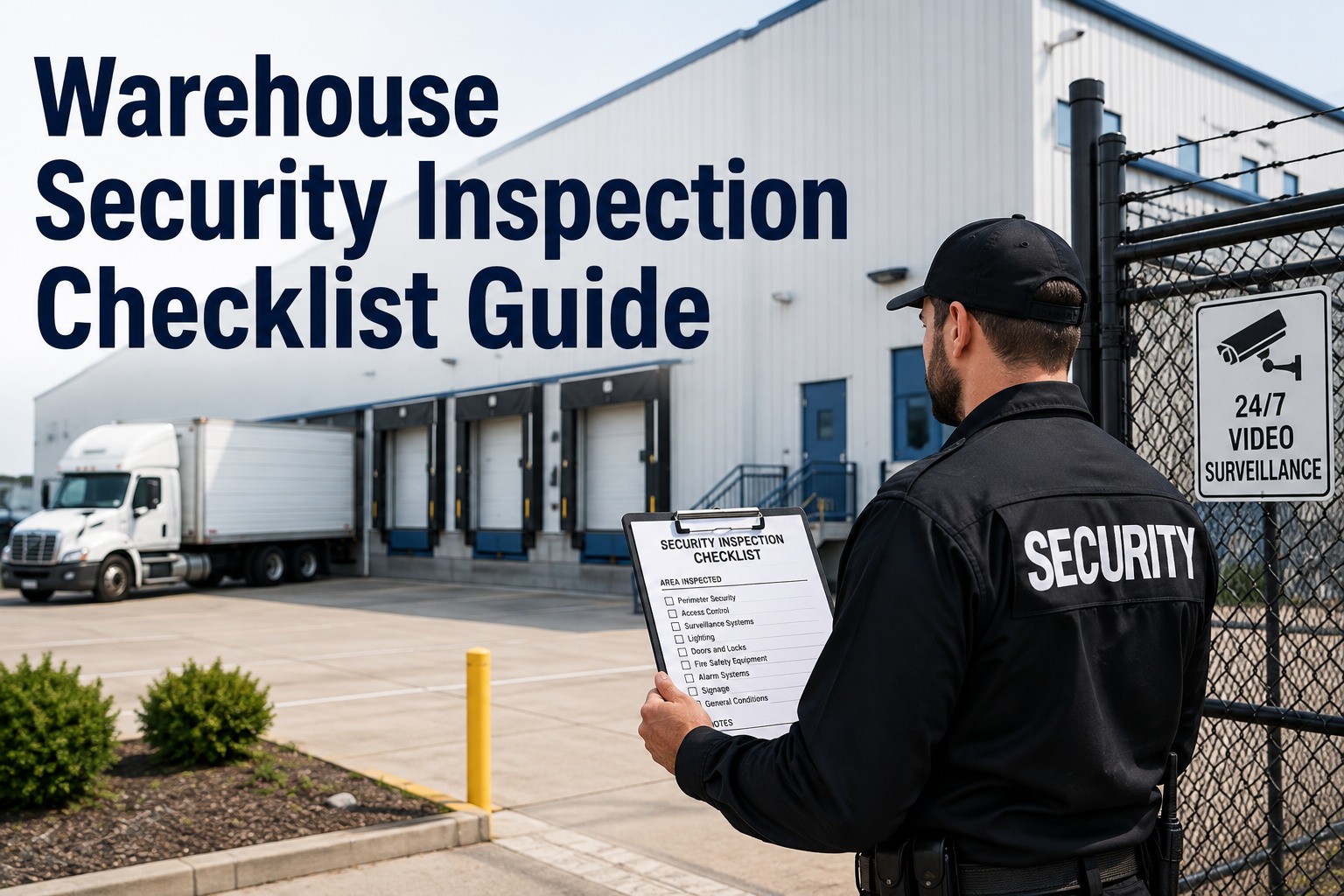
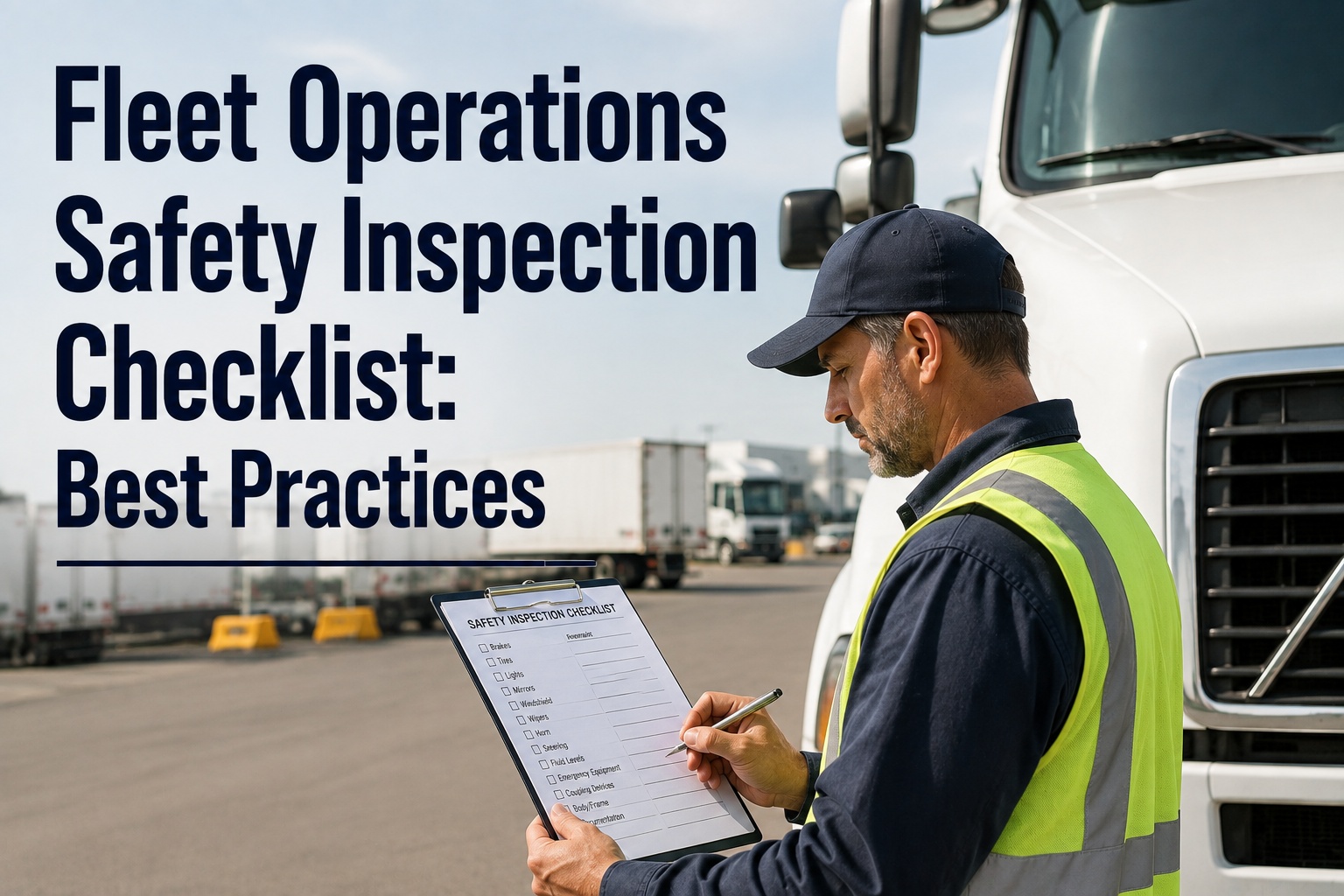
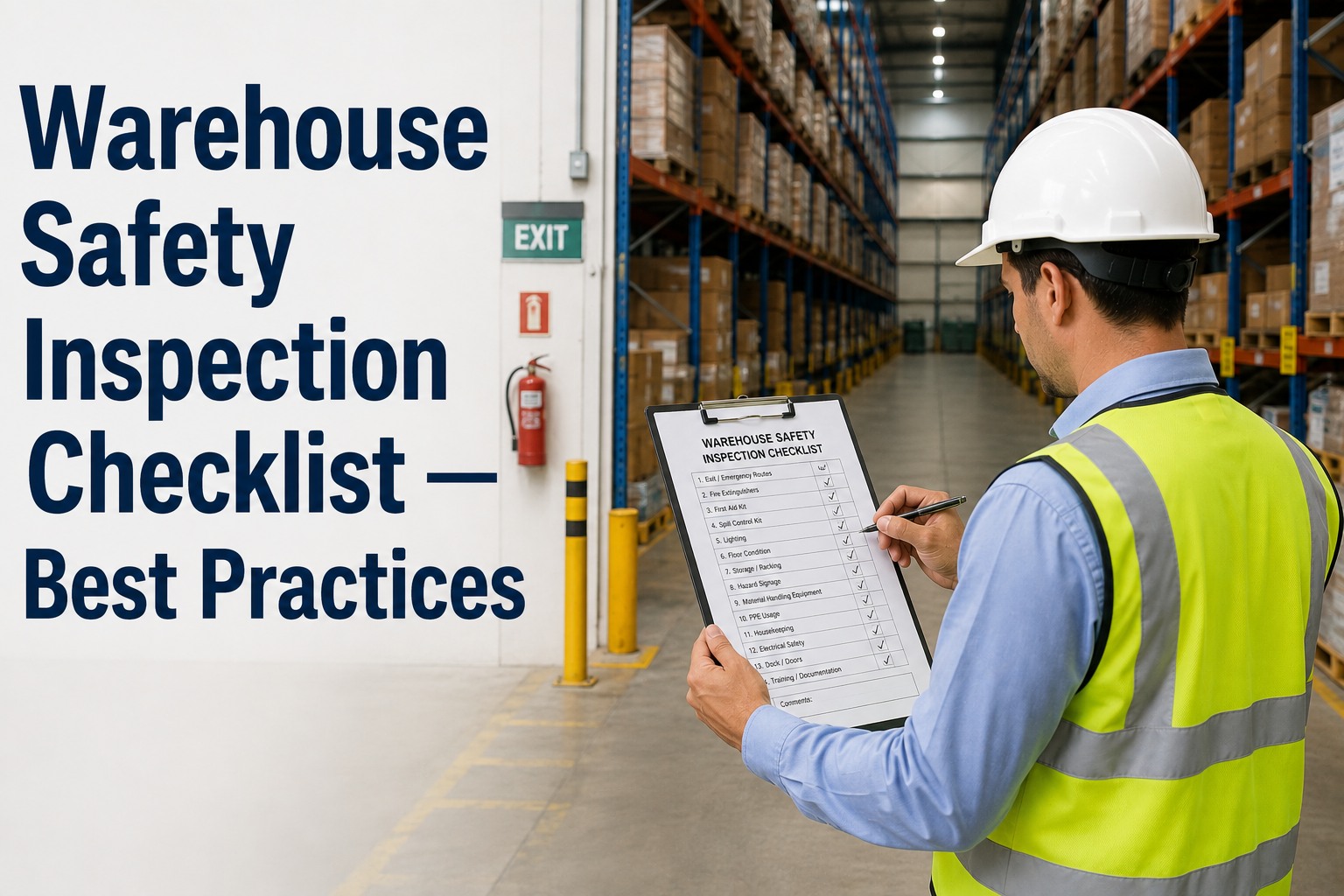
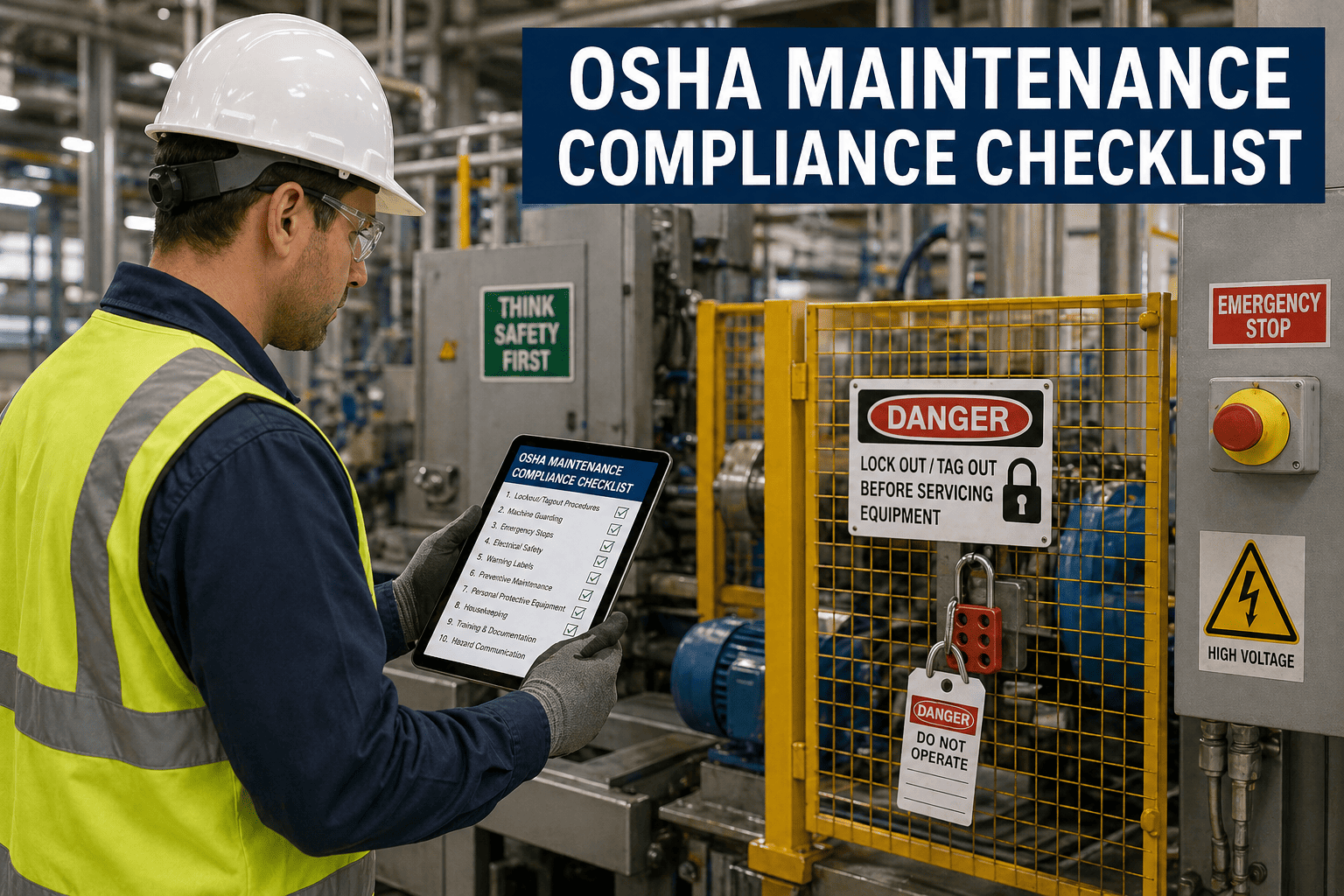
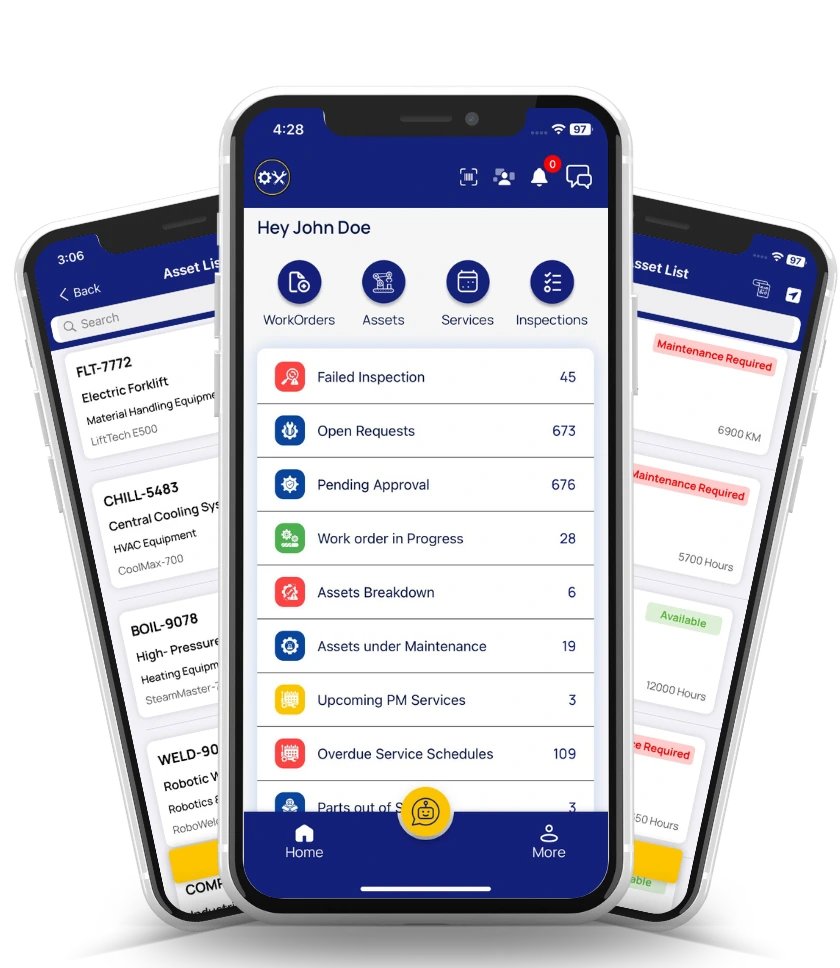
A warehouse never fails all at once. It fails at a forklift the operator did not walk around at 6:00 AM. It fails at a rack upright bumped last Tuesday and never flagged. It fails at a dock leveler with a slipping brake nobody documented, and a driver who pulls away while the loader is still on the trailer. Approximately 85 workers are killed and 34,900 seriously injured in forklift incidents every year, and every one of those events traces back to an inspection point that was on somebody's list — and skipped, or logged, or lost between shifts. Oxmaint is the maintenance management software US warehouses and 3PLs use to make every pre-shift, dock, rack and PIT inspection a mobile digital work order — with photo evidence per item, automatic escalation on any fail, and a full audit trail one filter away. Start free and put your warehouse safety checklist on every operator's phone this week, or book a demo tailored to your dock count, PIT fleet, and compliance gaps.
Warehouse · 3PL · OSHA Compliance Overview
Warehouse & 3PL Safety Inspection Checklist: Overview
Every inspection point that carries real citation weight — daily PIT pre-op per 29 CFR 1910.178(q)(7), weekly dock leveler and vehicle-restraint checks, monthly fire suppression and emergency-lighting tests, and quarterly rack integrity and ergonomics audits — turned into a defensible digital record across every dock door, every reach truck, every aisle.
-
85
worker fatalities per year in forklift-related incidents in the US
-
34,900
serious annual forklift injuries — the majority preventable by pre-op inspection
-
90 sec
to pull a year of forklift records on an unannounced OSHA visit — with digital records
-
7 zones
receiving, storage, picking, packing, dock, PIT bay, hazmat — each with its own scope
The Facility Map
Seven Zones That Define a Warehouse Inspection Programme
A single blanket checklist across a distribution center hides risk. The dock has fall hazards; storage has racking failures; the charging bay has hydrogen gas from lead-acid; hazmat has HazCom exposure. Each zone runs its own inspection scope on its own cadence — and one platform brings them into one audit-ready record. This is the working map anchoring every checklist template Oxmaint deploys.
Receiving Bays
Trailer inspection, pallet condition, incoming freight damage documentation, receiving-door interlocks.
Storage & Racking
Rack upright deflection, beam engagement, load limit signage, footplate condition, seismic bracing.
Picking Aisles
Aisle marking, pedestrian barriers, order-picker fall harness, mezzanine gate interlock, lighting lux level.
Packing & Conveyor
Conveyor guards, E-stop pull cords, pinch-point signage, strapping and taping tool condition, ergonomic reach.
Loading Dock
Dock leveler operation, vehicle restraint status, dock lock indicator lights, chock placement, trailer stability.
PIT Charging & Bay
Battery-charging ventilation, eyewash flow, spill kit, no-smoking signage, propane cage lock, LP tank condition.
Hazmat & Chem Storage
SDS at point of use, secondary containment integrity, incompatibility segregation, label legibility, HazCom training.
Aisles & egress paths — daily housekeeping and blocked-egress walk-through across all zones
Where Citations Actually Land
The Top OSHA Standards Cited in Warehousing
A checklist should be weighted toward what actually gets cited. This is the ranking every warehouse safety lead should design against — the OSHA standards that generate the majority of warehouse and 3PL enforcement action. Build coverage here first and the low-frequency items take care of themselves.
-
1
Powered Industrial Trucks · 29 CFR 1910.178
HighestMissed daily pre-op, unqualified operator, damaged forks, defective horn or lights. Cited on virtually every warehouse OSHA visit.
-
2
Hazard Communication · 29 CFR 1910.1200
Very HighMissing GHS-compliant labels, outdated SDS registry, no HazCom training record, incompatible chemicals stored together.
-
3
Walking-Working Surfaces · Subpart D
HighBlocked aisles, unmarked mezzanine edges, ladder defects, damaged floor, missing edge protection at loading docks.
-
4
Lockout / Tagout · 29 CFR 1910.147
HighMissing written procedures for conveyor and dock equipment, no annual procedure inspection, incomplete authorised-employee training records.
-
5
Machine Guarding · 29 CFR 1910.212
Medium-HighUnguarded conveyor pinch points, missing pull-cord E-stops, damaged shrink-wrap machine guards, exposed drive belts.
-
6
Emergency Egress & Fire · Subpart E & L
MediumBlocked exits, discharged extinguishers, non-functional emergency lighting, sprinkler clearance violations from stacked pallets.
The Daily Pre-Op
Forklift & PIT Inspection — Every Shift, Every Truck
OSHA 29 CFR 1910.178(q)(7) mandates a documented pre-op inspection before every shift for every powered industrial truck. This is not paperwork — a missed daily check is one of the most consistent citations in warehousing. Below is the pre-op turned into a Oxmaint mobile checklist with pass/fail criteria the operator cannot bypass. A fail blocks truck startup and generates a work order for the maintenance shop in the same second.
Walk-Around · Visual
- Forks — no cracks, bends, wear >10% of original thickness
- Tires — adequate tread, no chunks missing, no cuts to cords
- Overhead guard and load backrest secure, no visible damage
- Chains, hoses, cables intact, no leaks under the truck
- Safety decals and load capacity plate legible
Fluids & Battery
- Hydraulic fluid at mark, no visible reservoir leak
- Engine oil, coolant, fuel level check (IC trucks)
- Battery connections tight, no corrosion, cell caps in place
- LP tank secure in mount, hose no dry rot (LP trucks)
- Charger cable and receptacle undamaged
Functional Test
- Service brake stops within specified distance
- Parking brake holds on incline
- Steering smooth, no excessive play
- Horn, lights, back-up alarm, strobe all functional
- Lift, lower, tilt smooth without hesitation or drift
Rack Damage Severity Code
Green / Amber / Red — The System Every Rack Walk Should Use
Rack failures do not announce themselves — they collapse. Every rack walk should classify damage on a traffic-light severity code so nobody has to interpret what to do next. Oxmaint stores the classification against the rack upright as its own asset record — repeat amber hits at the same location auto-escalate to red before an incident.
-
GREEN — Monitor
Minor cosmetic damage. No deflection, no structural compromise. Load rating fully retained.
Action: log with photo, monitor at next weekly walk. No load restriction required.
-
AMBER — Repair Scheduled
Noticeable deformation of upright < specified limit. Bracing intact. Repair should occur within defined window.
Action: auto work order to structural repair contractor. Reduce load rating per engineer sign-off in the interim.
-
RED — Unload Immediately
Deformation exceeds limit, bracing damaged, footplate compromised. Load rating cannot be assumed.
Action: barricade bay, unload adjacent pallets, escalate to site safety lead within 15 minutes.
Real Result From a Regional 3PL
"OSHA Arrived Unannounced. We Pulled a Year of Records in 90 Seconds."
The Director of Maintenance at a 1.2 million-square-foot 3PL running 85 powered industrial trucks moved from three-ring binders to fully digital inspections in under a month with Oxmaint. When an unannounced OSHA visit landed, every forklift record for the past year was filtered and produced in 90 seconds. The switch justified itself on that visit alone.
The Inspection Cadence
What Runs Daily, Weekly, Monthly, Annually
Every warehouse inspection point maps to a defensible frequency. Oxmaint fires each interval against the right asset and the right role automatically — nobody has to remember what is due when, and nothing quietly ages out.
| Frequency | Inspection | Owner | Evidence Stored |
|---|---|---|---|
| Pre-Shift | PIT pre-op per 1910.178(q)(7) | Operator | Signed checklist per truck per shift |
| Daily | Housekeeping walk, blocked egress, spill check | Supervisor | Zone walk log with photos |
| Weekly | Dock leveler, vehicle restraint, dock door seals | Maintenance tech | Per-dock inspection record |
| Weekly | Rack walk — green/amber/red severity coding | Safety lead | Rack upright asset record with photo |
| Monthly | Fire extinguisher check, emergency light test, eyewash flow | EHS officer | Per-device test log with pass/fail |
| Quarterly | Ergonomic assessment, near-miss trend review, contractor competency | Site safety lead | Trend report and closed-out actions |
| Annual | Sprinkler ITM, rack engineer certification, LOTO procedure inspection | EHS + engineer | Signed certification with next-due date |
| Annual | OSHA 300A summary posting Feb 1 – Apr 30 | EHS officer | 300 log with posting confirmation |
Bookending the Shift
Where the Digital Inspection Trail Starts and Ends
Most warehouse safety failures happen at the two ends of a shift — start-up when a PIT is walked past without pre-op, and end-of-shift when defects are noticed but never logged before the operator leaves. Oxmaint bookends every shift with mandatory records that cannot be closed empty.
Shift Start
- PIT pre-op on operator's mobile — checklist must be completed before startup key is released
- Zone walk by supervisor — housekeeping, blocked egress, overnight defects reviewed
- Dock-door status — every door checked for restraint indicator, seal condition, and leveler operation
- PPE audit — hi-vis, hard hat, safety shoes, hearing protection where required
Shift End
- End-of-shift log — operator records any defect noticed during shift, mandatory field
- Rack severity updates — any new amber or red damage classified and photographed
- Handover package — open work orders, degraded equipment, incidents pushed to incoming supervisor
- PIT park-up check — truck plugged in, forks lowered, wheels chocked, key removed
Built for Warehouses & 3PLs
How Oxmaint Runs the Programme End to End
-
Mobile Pre-Op
Every PIT Locked Until Its Checklist Is Signed
The 1910.178(q)(7) daily pre-op runs on the operator's phone with pass/fail per item — a "fail" answer blocks truck startup and generates a maintenance work order in the same second.
-
Rack Asset Records
Every Upright Its Own Numbered Asset
Green / amber / red damage classifications logged against the specific upright with photo — repeat amber hits auto-escalate to red before an engineer visit is needed.
-
Dock Workflow
Weekly Leveler and Vehicle Restraint Checks
Per-dock digital inspection with restraint indicator status, leveler cycling test, seal condition and chock check. Nothing left to a driver-loader verbal exchange.
-
Auto Escalation
Every Fail Routed to an Owner With a Due Date
Corrective actions carry severity, owner, and escalation path. Overdue red items escalate to the site safety lead. No finding quietly ages out on a spreadsheet.
-
SDS & HazCom
Digital SDS Registry Accessible in Every Zone
Every hazardous chemical carries a current SDS aligned to the 2024 HazCom rule (GHS 7), accessible from any operator's device — the exact record inspectors ask for at hazmat storage.
-
Audit Retrieval
A Year of Records in the Filter an Inspector Asks For
PIT inspections, LOTO records, SDS revisions or dock checks filterable by date range, asset or zone — audit-day retrieval collapses from days of searching to under 90 seconds.
Measured Outcomes
What Distribution Operations Gain When Oxmaint Runs Inspections
-
90 sec
Audit Retrieval Time
A regional 3PL with 85 PITs produced a year of forklift inspection records in 90 seconds during an unannounced OSHA visit — the switch justified itself in that one hour.
-
100%
Pre-Op Completion Enforcement
A PIT cannot start until its pre-op is signed on the operator's phone. Missed daily inspections — the top citation category in warehousing — disappear.
-
< 1 mo
To Fully Digital Programme
Sites move from three-ring binders and clipboards to a fully digital inspection programme with photo evidence and audit trail in under 30 days.
-
$0
Free Forever Plan to Start
Warehouse safety teams start on the free forever plan, digitise a core PIT and dock checklist library, and scale into the full platform as scope grows.
Frequently Asked
Warehouse & 3PL Safety Inspection Questions
How often must forklift pre-op inspections be done under OSHA?
29 CFR 1910.178(q)(7) requires a documented inspection before each shift for every powered industrial truck. When trucks run 24/7 across multiple shifts, that means before every shift change — three pre-ops per truck per day. Oxmaint enforces the pre-op as a mandatory pre-startup workflow on the operator's phone. Start free to put per-shift pre-op enforcement across your fleet.
How is rack damage classified and escalated?
A green / amber / red severity code — green for cosmetic, amber for repair-scheduled with load reduction, red for immediate unload and barricade. Each classification is logged against the specific upright as an asset record, with repeat amber hits auto-escalating to red so a marginal location gets structural attention before it becomes a collapse risk.
Can technicians complete inspections without site Wi-Fi in dead zones?
Yes. Oxmaint inspections work fully offline in the dock, the racking, or the charging bay — photos, readings and pass/fail results are captured locally and sync automatically when the device reconnects. Nothing is written on paper. Book a demo to see offline capture on your floor.
Does the platform handle multi-site 3PL operations from one dashboard?
Yes. Multi-site 3PL operators run a single Oxmaint tenant across every DC, with site-scoped checklists, per-site roles, and a rolled-up compliance dashboard. Enterprise safety leaders see completion rates, overdue items and open red rack findings across the portfolio in one view.
Is there a free plan for smaller warehouse operators?
Yes. Oxmaint offers a free forever plan — enough to digitise a core PIT pre-op and dock checklist library, run daily walks, and store photo evidence per asset. Scale into the full platform when your fleet size, dock count or number of sites grows. Sign up for the free plan and stand up your first digital inspection today.
Inspect · Escalate · Evidence
Every Warehouse Incident Was One Inspection Point Away From Being Prevented
The checklist above is the framework. Oxmaint is the maintenance management software that turns it into a scheduled, mobile-first, evidence-backed programme running every shift, every dock door, every PIT. Walk into your next OSHA visit with the checklist done, the photos filed, and the corrective actions closed.